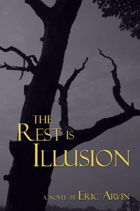
El resto es ilusión/ The Rest is Illusion.

Arte/ Art, Libros que he leído/ Books I have read, Literatura/Literature

RestIsIllusion-Arvin_ Estamos en un campus norteamericano, lleno de fraternidades; fiestas, estudios; facultades; parques y campos de juego. Nos es menos extraño gracias al cine y  a la televisión, ya que en Europa los campus universitarios son distintos: más solemnes pese a la hirviente juventud que los puebla; más serenos e integrados en la ciudad, de suerte que ciudad y campus se imbrican hasta parecer casi uno y, de hecho, nuestras universidades están por siempre unidas a las ciudades que les dan cobijo. Eso no ocurre en Norteamérica: los campus, contenidos en sí mismos, están alejados de las ciudades, manteniendo un espíritu que les es propio y casi exclusivo, de modo que la realidad vivida por los estudiantes (con sus iniciaciones; sus miedos; el riesgo; la novedad; la pura libertad, en fin) se asemeja más a un sueño vívido que a la teatralidad del mundo real.

Este es el escenario de  The Rest Is Illusion, la primera novela de Eric Arvin: el campus de Verona es un útero en donde la vida se sucede en todos sus estadios, y es un personaje más de la obra. En pocos relatos, y menos en un relato novel como éste, la magia del ambiente inyecta tanta personalidad a la historia; sus personajes se mueven en ese mundo casi onírico, en donde todo es posible y en donde todo se descubre, si se tienen los sentidos amplificados y los ojos bien abiertos. Y la Universidad de Verona es el espejo en donde todo se refleja y el río por donde todo fluye, y el seno de la transformación que cada uno de sus protagonistas (Dashel, Ashely, Sarah, Tony, Wilder y Maggie) va sufriendo a lo largo del relato.

Porque The Rest Is Illusion es un libro de iniciación a la vida. A la vida mayestática, que nos obliga a encarar, de una u otra forma,  nuestra personalidad real, ésa que se encuentra casi siempre agazapada entre las conveniencias, las opiniones ajenas, las convenciones sociales y nuestro miedo nuclear a no ser amados por lo que somos y sí por lo que creemos ser. Cada uno de sus protagonistas debe afrontar, en un grado u otro, este rito natural tan difícil de encarar y cuyas consecuencias, muchas veces y en muchas vidas, vemos arrastrar en los años posteriores.

n500799834_1104721_4115

Por eso es un libro encantador: enfrentamientos, deseos, descubrimientos, fragilidad, renuncias, aceptación, redención y vida fluyen por las páginas que Eric Arvin ha escrito con un lenguaje bello, reflejando esa misma belleza en todos sus personajes, aún los más oscuros y densos. Y es una historia llena de corazón. Porque hay amor en sus páginas, como hay resentimiento, miedo, postración, lucha y deseo.

The Rest Is Illusion es un caleidoscopio que retrata la aventura de los seres humanos, su diversidad, sus miserias y su triunfo final: Dashel y Ashley, únicos y descastados; Sarah, que esconde en su racionalidad debilidades más profundas; Maggie, cuya inseguridad permite su fácil manejo; Tony, el más deseado y envidiado, que sin embargo sufre por lo que sabe de sí mismo, y Wilder, cuya oscuridad y poder no evitan que acabe identificándose como un juguete roto… Todos ellos se confunden, se entremezclan, se conocen y se desean en esta historia coral, mientras el campus de la Universidad de Verona los acoge en su seno, sin preguntar quiénes son, cómo son o lo que hacen; sin juzgar y sin aparentar ser vista, exactamente como hace el universo con todos nosotros; y para recordarnos, en cada vida vivida, que pese a todo lo que en el fondo nos ocurra, siempre el resto será una ilusión.

Es una novela bella, esculpida con detalle y escrita con un cariño que trasciende al lector, tocándole el corazón, y que encierra en su interior todo el potencial humano que no le cabe en el pecho a su autor, cuya capacidad para transmutarse en sus personajes, para salir vivo de ellos, y con ellos, fascina y encandila a un mismo tiempo.

Eric Arvin crece con cada relato que escribe. Supera sus miedos; se enfrenta a sus fracasos vitales; escapa de la norma y tiende al infinito. Y sus novelas son un reflejo de ese don, un don eterno.

n610720567_1486921_575 We’re in Verona College, a Northern-American college campus full of brotherhoods, parties, faculties, studied people, parks and playgrounds. It is less strange for us, European people, thank to televison and cinema. In Europe, campuses are quite different. More solemn in spite of the boiling youth that populates them; and they are more integrated into the city atmosphere than American ones, than keep its independence from the city they’re in, making the atmosphere of their campuses an unique and strange bubble in which students lives go on like in a vivid and colored dream in spite of real life.

This is the scenario of The Rest Is Illusion, the first novel of Eric Arvin: Verona College is an uterus in which all stages of life happen at once and, at the same time, it is an important character of the novel. It is one of these tales where the scenario goes through the characters and gives them the key to find where their lives are heading.  That is not simple to achieve, and so remarkable if we’re talking here of a new author in his very first printed novel. So, Verona College is where everything takes place, and where every character transformation (from Dashel to Ashley; Sarah to Maggie; Tony to Wilder) is reflected.

Because The Rest Is Illusion is about life initiations. Life with capital letters; life that forces us to face our very real personality, the one that is disguised beneath our very own conveniences, other people’s opinions, social conventions and our nuclear fear of not being loved for who we really are instead of what we wanted us to be. And each one of the characters in the book has to face this process of self-acceptance, so difficult to achieve, that we constantly can see the heavy burden that it turns out to be in the living years of people who couldn’t do it completely.

That’s why The Rest Is Illusion is a charming book: we can find in its pages all sort of human feelings: confrontation, desires, discoveries, fragility, resignation, self-acceptance and redemption…All written with beautiful language, beauty that reflects each one of its characters, even the more darkest and dense of them. And it is a story from the heart, because there is so much love in its pages, so much desire, so much confrontation and revolution, and pain, and relief…

This novel is a kaleidoscope that portrays the adventure of human beings, their diversity, their miseries and last but not the least, their final triumph: Dashel and Ashley, unique and cold-hearted; Sarah, that hides in her rational mind her deeepest weakness; Maggie, whose insecurities allow her to be manipulated too easily; Tony, the all-american-guy, the most desired and envied that nevertheless suffers because of a very silent secret; and Wilder, whose dark power do not avoid him to be identified with a broken toy… All of them are confused, are intermingled and are known and are desired between themselves in this choral story nested in the onyric and mystical atmosphere of Verona College, that allows them to fight and to find out and to restore their lives without any judgamental move, without asking for nothing and pretending nothing…just like Universe does for ourselves; reminding us here that, beyond human visicitudes and dramas and fights and revelations, all that it left behind it’s just an illusion.

It is a beautiful novel written with love, love that extends to the reader, touching his heart and that spread Eric Arvin’s capability to transcend himself beyond difficulties, frustrations, life-threaten moments and disbelieves; unveiled the incredible talent of this author and the bright future that he has in his own hands. He’s a very talented man, a very gifted man. And this gift grows with every book and every story he shares with us, his unconditional readers and, oh!, I have to say it: fans.

Alexis o el tratado del inútil combate/ Alexis.

Arte/ Art, Libros que he leído/ Books I have read, Literatura/Literature

8466301496+ Hay historias, por más breves que sean, cuya sobria intensidad queda grabada en la memoria como la nota recién emitida vibra en la inmaterialidad del aire.
Hay novelas-océano, novelas-río, cuyo esfuerzo, tanto para escribirlas como leerlas, es casi titánico; y existe ese otro grupo de novelas, denominadas relato corto, cuyo esfuerzo no desmerece, ni por un momento, con las otras, pero cuya lectura garantiza al lector un placer inmediato, de suerte que parece conocer cada recoveco de la historia que lee y puede vivir cada sentimiento que retrata.

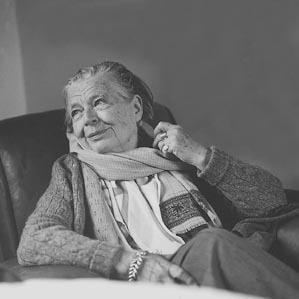
Alexis o el tratado del inútil combate es una joya. Una joya escrita por una joven de 24 años a comienzos del siglo XX; el verdadero principio de una de esas carreras dilatadas que nos lega una gran escritora. Este librito que desgrana, una por una, las razones razonadas o pensadas o sentidas del joven Alexis para abandonar a su no menos joven esposa, y a un niño en común, nos muestra la imagen de un mundo aniquilado ya, pero cuyas pasiones, cuyos sentimientos y pulsiones siguen tan vigentes hoy en día como cuando el libro fue concebido, escrito y editado.

La historia no es nueva, porque es el relato de una liberación. Es un proceso doloroso, lento, que se fragua en el seno del pensamiento, en el centro del cuerpo y en el corazón; y es, por lo mismo, irreversible: estamos ante el relato de una transformación, de la transmutación de un hombre encadenado a una vida que sabe desde siempre que no es suya, y que encuentra por fin las fuerzas necesarias, o las motivaciones justas, para dejarlo todo atrás. Sea por razones sensuales, intelectuales, políticas o físicas: todos podemos identificarnos con el proceso de metamorfosis de Alexis, con ese lento adiós a una mujer que nunca ha querido, o no como debiera, y a la que sin embargo deja, en esa carta donde se desnuda por fin, la mayor prueba de amor que jamás podrá darle. Todos somos Alexis: la vida humana atañe en sí misma la evolución del ser, y todos dejamos abandonados, queriéndolo o no, trozos de vida que sólo son piezas de lastre que ya no tienen sentido.Yourcenar6

La lectura del Alexis me turbó como pocas veces un libro lo ha hecho. Y ésa es una de las finalidades de cualquier obra de Arte: despertar en nosotros múltiples imágenes, sentimientos contrapuestos, y hacernos pensar. Recuerdo que lo leí muy joven; aquellos paisajes velados, llenos de niebla cansina entre bosques rumorosos, oscuros y fríos, poco se parecían a los de mi propia vida; los modales anticuados, pero tan elegantes, de una época ya por entonces muerta, y la relación íntima entre un hombre y una mujer, cuyo fruto es un desdentado infante que aún no sabe qué hace en el mundo, nada tenían que ver conmigo. Sin embargo la pasión subterránea de Alexis, su lucha íntima, ese inútil combate entre su educación, su formación y sus deberes y su pasión, sus deseos, y su propia vida, resonaron en mi interior con las notas más puras. Entre aquellas pocas páginas, pura poesía, latía el corazón fervoroso de la libertad; excitaba las llamas de mi propio fuego. Los lamentos de Alexis, y sus razones vanas, se calcaban en los míos; y su respuesta final a esa lucha insomne, me servía de propia guía.

Mucho tiempo ha pasado desde la primera vez que leí Alexis o el tratado del inútil combate; sin duda, mucho más ha transcurrido desde su primera edición. Pero su magia sigue nítida, brillando límpida en el cielo oscurecido del siglo XXI, con la misma fuerza y el mismo ahínco que en los años pasados: mientras exista en el mundo un solo ser humano que luche denonadamente entre sus deberes y sus razones; que sufra el choque brutal entre lo que debe ser y lo que realmente es; el valor que desgrana Alexis entre sus páginas seguirá siendo, en su profunda brevedad, uno de los mejores ejemplos de libertad.

Marguerite Yourcenar y la voz de las cosas. Antón Castro.

Alexis is a beautiful book. It is profound, tender, and its one of the best protrayed moments of a human life.

n146379It’s a short tale; and also, it’s one of the best examples of how in very few lines we can find the treasure of humankind, the most powerful human force to change our lives, and how strong, painful and almost grateful, real freedom can be.
Because Alexis is freedon. In its pages we watch all the reasons Alexis has to change his life forever, so dramatically, that the explanation to her wife, Monique, is the center of the book. His voice, so lost in the modern time, brights in a very unique way: even though Alexis’ world doesn’t exist anymore, his feelings, his reasons, his fights againts his demons, are just the same as every one of us could faced on in this present moment of Humanity.

I read Alexis at a very young age. And it disturbed me so much. That’s the core of true Art: remove our inside, forcing to face the different dimensions of life, and makes us think. This beautiful little book, written by a young 24 years old woman, was the first of an extraordinary carrer in Literature, and still remains as one of the best in her body of work.

Maybe we are not living forever more in Alexis’ time; maybe the time of palaces, well-manered people; richness; soft summer afternoon’s music; poetry and roses are almost death already. But his passions, his troubles, his fights against life the way he’s living at because he really knows is not his true reality; his long transformation in what he really is, remains to us like a real XXI Century fight and achivement.

Alexis is a tale of Freedom. Of true Liberty. And anyone that struggles with the demons of life and is fighting to achieve what thinks it’s for real, is also Alexis. And that’s the gift of this marvelous little book.

Todd alza el vuelo/ Todd spreads his Wings.

El día a día/ The days we're living, Libros que he leído/ Books I have read, Literatura/Literature

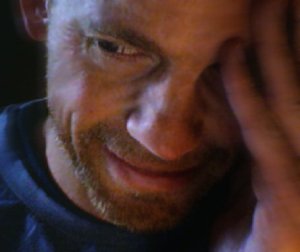
Me gusta Todd Clary. Es la clase de hombre que me gustaría ser: inteligente, sensato, directo, tierno, simpático, listillo, tierno y cabezota.Todd Clary

Lo conocí navegando por Internet, en una página de superación personal, muy típicas de Norteamérica, en las que reflejaba cómo había transformado su físico con dedicación e inteligencia a pesar de tener una edad en la que nuestra sociedad no da muchas oportunidades a ese desarrollo. Me llamó la atención no sólo su progreso físico (por lo demás, asombroso), sino también por la propia calidad de las fotos y sus comentarios, que lo hacían resaltar del resto de casos que allí se exponían. Y sobre todo, también, porque en ese pequeño espacio quedaba grabado lo agudo de un ingenio y la fuerza de una determinación, y de una fe, que podían mover montañas.

Así fue cómo llegué hasta su blog Waltzing In Perdition, y así fue cómo comenzó una extraña amistad.

A través de las entradas de su bitácora me di cuenta que ese hombre que tan orgulloso estaba de sus progresos físicos, no había hecho otra cosa que transmutar en su exterior el maravilloso mundo interior que poseía. Y ese mundo lo desvelaba en esas páginas virtuales con honestidad, con un humor repleto de cinismo e ironía, y un gran amor por la vida en todas sus manifestaciones, digno de ser mencionado.

Descubrí que es sinestésico, y que, gracias a ello, podía transformar el mundo que veía en un arcoiris de sabores, en un mundo de notas musicales y de vivos colores en los que plasmaba el diario devenir con ese candor, esa verdad y esa fe en la vida que le es tan propio.

Es un hombre polifacético: ha sido desde conserje hasta pastor de iglesia, desde diseñador gráfico hasta psicólogo, desde hombre enamorado a marido amante y padre devoto… Y de eso trata su libro: A Beautiful Hell. En él vuelca esa maravillosa forma de ver la vida, y ensalza lo cotidiano a categoría de arte. Es un libro lleno de humor, de ironía, de aguda observación sobre la vida, de fe y de amor. Nada se salva a su afilada lengua ni a su fino olfato: ni su matrimonio, ni sus hijos (Chico-Alfa, Chico-Beta y Nena-Charlie), ni su perro (el Golden Retarded, Bailey) ni él mismo (súper-Todd); y todo lo observa con candidez, calidez y amor. Porque él mejor que nadie sabe retratar con trazo fino e ingenioso los muchos baches de la vida, sus errores y sus aciertos; y descubrir en ellos la belleza escondida, y muchas veces olvidada, que el día a día nos regala inesperadamente.

Todo lo admiro de Todd: su madurez, su entrega, su sabiduría juguetona, su espíritu inquisitivo, su sólida honestidad, su maravilloso mundo interior, su acerada lengua…, y su poca querencia por las comas.

A Beautiful Hell es el primer tomo de unas memorias de la vida vistas a través de los ojos de un norteamericano sanote, sin complejos, llenas de perplejidad, de lisa hermosura y de fino humor, que nos enseña que la vida, a pesar de las diferencias superficiales que nos separan, es una experiencia común y maravillosa de la que podemos aprender, reírnos a mandíbula batiente, y evolucionar, si nos dejamos llevar por el arrullo de la fe y por el fluir de los días vividos.

Y también quiero mucho a Todd. Y me encanta ver cómo despliega sus alas de plata para remontar el vuelo de los verdaderos artistas, ésos que ensalzan la vida con la más fina de las ironías y el trazo más fino de las estrellas.

I like Todd Clary. I really do. He’s the kind of man I always dreamed of to be: smart, wise, direct, sincere, clever, funny, tender and stubborn.

Todd ClaryI met him through Internet and inmediatly I was captivated by this man who could achieved an entire physical transformation against society’s standard beliefs, and who likes to demostrate it to the entire world with pride, straight-acting behaviour, and most important for me, a kind of tender determination and a strong faith, capable of to move an entire mountain if he wanted it or needed it to do so.

That’s how I found his blog, Waltzing In Perdition, and how my admiration has began.

Through the different entries of his blog, I found a man proud of his physical achivements, but more so, proud of being capable to transmute his inner world into his outside, trying to marry those two men in one and only great man. That amazed me. Because his inner world, full of poetry, kindness, sensibility, irony, humor and sharp-tongued commentaries, was portrayed on this blog with tender ease, with some kind of cristal transparency and with such wonderful love, that it was addictive, groundbreaking and unforgettable to me.

I found that he is synesthete. An incredible gift that life gave to him, making him capable to see the movements of the wind with rainbow’s colours, to listen to the music of the raindrops pouring into feelings and sensations, and to watch the smell of the grass growing in springtime talking to each other with a happy chit-chat. And this ability makes him capable to portray life in the unique way he does, full of silly notions, deepest lessons and funny memories that only reflect the day by day life he’s living at.

And A Beautiful Hell is the way he found to share with us his magnifique inner world and his way to teach us how unexpected things and silly moments that life is made of, finally touch our hearts and make our very own life worth living. Through his experience with marriage and parentship and friendship, he paints an entire picture of life with bright, sincere, ironic, tender and sharp colours, and elevates everyday life to the state of true Art. Every event of life has a lesson to give an to accept. And he shows us how funny, tender, smart, clever and stupid life can be without a shade of a boring or a heavy structured-mind limitations our blind growing-up process could gave to us once.

In A Beautiful Hell, nothing is saved to his sharpened language, nor to his fine sense of smell: neither his marriage or his children or his own dog (that is always on the couch); but everything is told to us with a warmth, lovely and naive prose. Because no one better than him to protray with fine brush the many facts of life; the succesful stories and the mistakes that lay behind the unexpected; the magnificence that is hidden behind the dayly events of life.

I admire everything about Todd: his maturity, his honesty, his playful wisdom, his inquisitive spirit, his kidness, his sharp tongue…, and even his forgetfulness about commas.

A Beautiful Hell is the first volume of The Waltzing In Predition Chronicles, and is the first volume of memories of Life seen through the eyes of a healthy Northern-American man, without complexs, full of perplexity, smooth beauty and fine humour, that teach to us that this life, in spite of superficial differences that separate us, is a common and wonderful experience to all of us and through which we can learn, laugh and find out the unveiled beauty of the every lived day.

And I also have to say that I love Todd. And that I truly enjoy how he spreads his silver wings to enjoy the fly of the true artists, those that are capable to draw life with the most tender draft of the most brightness stars.

El Gatopardo/ The Leopard.

Libros que he leído/ Books I have read, Literatura/Literature

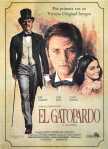
gatopardoEn mi veintena, que ya ha quedado atrás, descubrí una serie de libros, una serie de historias, que han quedado grabadas en mi memoria para siempre. Resulta curioso cierto agrado, o cierta tendencia hacia el historicismo, o, mejor, cierta preferencia hacia la llamada novela histórica o de época en la persona que yo era por aquellos años. Mucho del género leí, lo mismo que en mis primeros años de lector ávido, literalmente comí lo que llamamos best-sellers, o éxitos de ventas, para evitar en lo posible un anglicismo por lo demás muy directo. Tanto leí en esos primeros años (curiosamente mezclado con muchos clásicos) que me ha quedado una especie de empacho, y ahora los evito de manera harto evidente; de lo que deriva mi casi desconocimiento de lo último.

El Gatopardo es, sin lugar a dudas, una gran novela histórica; histórica por sí misma, por lo que ha hecho desde que vio la luz; por su autor, del que desconocemos casi todo; y por el maravilloso retrato de una época en la que el mundo parece terminar para algunos, pero que sólo se transmuta en sus aspectos más llamativos, dejando inalterados los cimientos de la vida humana. Y si algo sabemos los seres humanos del siglo XXI, es lo poco duradera que son las circunstancias humanas en comparación con el corazón del hombre, y en lo fugaz que costumbres, hechos, pensamientos, obras, regímenes, tecnologías y sentimientos se han convertido.

Poco o nada sabemos del Príncipe Giuseppe Tomasi de Lampedusa (1896-1957), sólo que nos legó una obra de arte en la que cristaliza las pasiones y los miedos humanos, de una clase social y de un tiempo revuelto en la Italia de mediados del siglo XIX. El Gatopardo es un libro fascinante, en el que la decadencia hace daño a lo perdurable, lo superfluo a lo que se cree importante, y los hechos que se suceden al mundo suspendido en el que vivimos de forma alegre e inconsciente. Tanto más cuanto que la novela sólo se publicó póstumamente, y el autor no pudo presenciar el enorme éxito, y la gran admiración, que su historia y su estilo produjo en sus lectores.

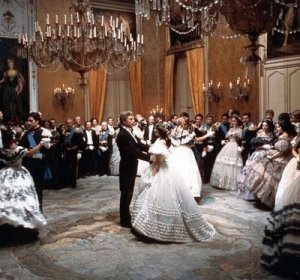
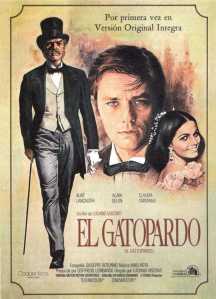
Sólo le debo algo a esta novela: ver su excelsa adaptación cinematográfica (1963) realizada por Luchino Visconti, y disfrutar del portentoso Príncipe de Salina de Burt Lancaster, o de la belleza y sensibilidad de Claudia Cardinale y de Alain Delon, testigos y víctimas de los avatares del mundo que se deshace en pedazos y que se lo traga todo: pensamientos, formas de vida y al amor.

In my early 20’s I discovered my love for historic novels, and this love remains in the man I’m now. One of this novels is The Leopard.

Written by Prince Giuseppe Tomasi di Lampedusa (1896-1957), and published after his death, this work of art soon got public eye and introduces us in the frozen world of Italy in the middle of XIX century, and protrayed the life of Prince di Salina and his family during the end of an era, where the new air approaches and turn upside down the unmovable world of people, and changes everything, leaving nothing as they knew it before, in the remains of the days.gatopardo.

The author never watched his success. But I think he didn’t care more. And we know almost nothing about his life. But I think he is quite responsability for this, and he liked it so much. The mistery around his author levels the joy, the sensibility and the impact of his novel. And that’s what really matters after all.

Only one point I have with this beautiful book and it’s to see the more than beautiful movie adaptation (1963) by Luchino Visconti and watch and appreciate the power of Burt Lancaster as Prince di Salina, and the beauty of both Claudia Cardinale and Alain Delon embracing love and despair in the center of those windy times of change.

El rosal de William Blake/ William Blake’s Rose Tree.

Literatura/Literature

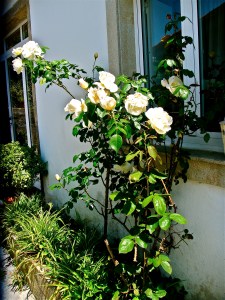
   Rosal en Casa da ReboltaMi rosal precioso

   Me ofrecieron una flor,

   que tal flor jamás hizo nacer Mayo;

   pero dije: «Tengo un rosal precioso»,

   y desdeñé la dulce flor.


   Entonces me llegué hasta mi rosal precioso,

   para cuidarlo noche y día;

   pero mi rosa se marchó llena de celos

   y fueron sus espinas mi único consuelo.


My Pretty Rose Treerosales-febrero

A flower was offerd to me:

Such a flower as May never bore.

But I said I’ve  a Pretty Rose-tree,

And I passed the sweet flower o’er.


Then I went to my Pretty Rose-tree,

To tend her by day by night.

But my Rose turnd away with jealousy,

And her thorns were my only delight.

La Sapiencia de Salvador/Salvatore’s Sapience

Libros que he leído/ Books I have read, Literatura/Literature

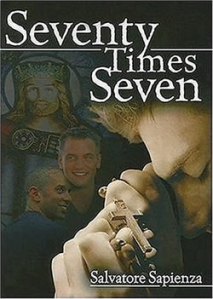
   Seventy Times SevenHurgando sin objetivo alguno fue como encontré este libro. De hecho, cuando deambulamos sin rumbo fijo, es el instinto lo que nos guía, y a veces tropezamos con las cosas más encantadoras.

   Seventy Times Seven narra los avatares de Vito, un seminarista católico y homosexual, comprometido con su fe y con su sexo de forma abierta y honesta, mientras lucha entre la fe y el deseo, entre el amor de Dios como posta en el camino y el Amor como fin. Y en esas líneas, Salvatore Sapienza dibuja un mundo sencillo, tierno, repleto de sentimientos reales y muy vívidos, y de una ternura encantadora. La historia de amor entre Gabe, un hombre perdido en sí mismo, ansioso de dar amor, y de recibirlo, y Vito, capaz de darlo todo pero con sus desgarros internos y sus dudas, hace de Seventy Times Seven una experiencia única.

   La casualidad me llevó a su libro lo mismo a que me llevó a encontrarlo, y forma parte de esa red absolutamente sublime de personas creadoras, comprometidas y únicas que, muchas veces, esta red de virtualidades mundanas cosecha con gran éxito. Y me gusta mucho jugar con su nombre: Sapiencia Salvadora…O, lo que es lo mismo, la aventura humana entre la fe, el amor, la vida y Dios: Salvatore Sapienza.

   Sal SapienzaSalvatore Sapienza is a writer. A good one. Seventy Times Seven is a journey into Vito’s life, struggles, fears, feelings and realities fills with this gentle touch, this warmth sense of joy and greatfulness that made it such a brilliant and tender book.

   It’s a love story. A love stroy between two men searching for love, understanding and acceptance. A love story between a soul and a religion and God. A discovery, an open journey into one man cosmos as he discovers the real world, the authentic world, inside him.

   Vito and Gabe’s story is tender, touching and refreshing. It’s candid but direct; it’s funny but so romantic; is so real, that maybe it is real life and not fiction. And Seventy Times Seven teachs us that religion, homosexuality, God, sex and love are not too far from our real selves; even though, it’s an example of the ilusion that billions of people are still living: we’re  all queer people, we’re all struggling with faith issues, love issues and self acceptance.

   I do like to play with Savatore Sapienza’s name: Salvatore’s Sapience… His sapience is a wonderful gift. And I’m honoured to share it with him and with you.

El Escritor Constante/ The Constant Writer.

El día a día/ The days we're living, Libros que he leído/ Books I have read, Literatura/Literature

   Eric Arvin by Amy ArvinEric Arvin entró en mi vida por casualidad. Supe de él navegando por internet y me interesé por lo que hacía y por su personalidad, que sobresalía claramente entre las líneas que él mismo había escrito sobre su persona. Y después me olvidé de él. Hasta que un día él se acercó intrigado ante ese personaje salido de la nada, a años luz de su vida, en la Norteamérica rural, y se interesó por mí con esa inquisitiva familiaridad que tiene para entablar relaciones duraderas.
   Desde ese día fuimos tanteando gustos, confirmando afinidades, ampliando los límites de nuestros mutuos mundos, y disfrutando de un encuentro casual pero fructífero, al menos para mí sin ninguna duda.

   Eric Arvin es, entre muchas cosas y por sobre todo, escritor. Su prosa es lírica, llena de una belleza atractiva, física, tierna pero resuelta y, por sobre todas las cosas, redentora. Ama a todos sus personajes, y quizá incluso con mayor fuerza a los más oscuros, y establece a través de ellos, probablemente de forma más que inconsciente, ese lazo con lo divino que parece escapársele en su día a día.

   Pero el mérito de Eric Arvin no es sólo que escriba, y que lo haga bien, si no su portentosa capacidad creativa y su inmensa capacidad de entrega. Siempre está creando, siempre está escribiendo. Es un océano de creatividad que se sobrepone a dolencias físicas, a pesadillas anímicas, a los desafíos nimios del día a día. Hace de la escritura una metáfora de su propia vida en todos los sentidos: nunca sabemos cuándo comienza lo real y cuándo lo imaginado en sus libros; nunca sabemos cuánto de su sufrimiento, de sus muchas dudas, de sus pesares desemboca alambicado en esa prosa de oro ni cuánto empeño pone, día tras día, en crear mundos maravillosos, incansables, inamarcables y esperanzadores.

   Porque eso es Eric Arvin: un escritor constante, un escritor con esperanza y amor por lo que hace; un hombre comprometido hasta su corazón con lo que ha elegido para vivir. Y es un ejemplo para mí.

   He leído casi todo lo que ha publicado, como hago con aquellos escritores que me atrapan. Soy un seguidor fiel. Sus libros tienen más en común de lo que a simple vista podemos encontrar en sus diferencias. Porque en todos ellos late el corazón de la redención, del amor perdido y encontrado por fin, del abismo de la enfermedad, del dolor del abandono y la alegría de encontrar, en medio del peor de los escenarios, la verdadera razón que nos impulsa a seguir con vida.

   The Rest is Illusion es su primera novela, y es una historia de amor a cuatro bandas; de descubrimientos; de aperturas; de aceptación y de redención suprema. Está escrito con sapiencia, con amor y con un lenguaje tan elegante como fresco, tan preciso como etéreo. Subsurdity es un divertimento, un vodevil que esconde en su interior historias desgarradas, miedos hondamente afincados y, nuevamente, la redención a través del reencuentro con uno mismo y con la persona deseada. Slight Details and Random Events es un compendio de cuentos cortos que encierra, como la semilla en el interior del fruto, una tierna y dura historia de amor que queda inacabada como ocurre casi siempre con los encuentros anhelados de nuestra vida. Y Mr. Right Now posee entre sus páginas el mejor cuento corto que yo le haya leído hasta la fecha, pues su protagonista, Deacon, logra inmiscuirse en nuestro corazón a través de las pocas líneas que este relato nos brinda de su vida como si fuera un regalo caído del cielo.

   Estimo mucho a Eric Arvin. Tengo el placer de decir que me enseña muchas cosas. Algo en mi interior siempre ha deseado poder devolverle tamaño favor con regalos igual de semejantes. Es una carrera que comienza, es un trabajo de día a día, es un ejemplo a seguir de enterza y constancia. Es un jardinero fiel de su arte, y como tal merece ser seguido, porque pronto nos sorprenderá con una obra maestra. y me gustaría estar a su lado para poder disfrutar de ese éxito que supondrá la vuelta de una prosa artística, etérea y musical, y de la exposición de puros sentimientos en el mercado actual, saturado ya de muchas líneas huecas y vanas historias carentes de la pureza necesaria, y de la magia necesaria, para hacernos soñar.


   I do like Eric Arvin. We met on line, searching for someone interesting to talk to and to share opinions about life and art and music and books. He found me, emerging in my life asking direct questions about my favourite authors (having much points in common with his.) Since then a kind of strange relantionship was on.Eric Arvin by Amy Arvin

   I learned about his work, the passion he puts in almost anything he does, the fight and struggle he lives in everyday, and the most admirable quality I can point in him: his constant surrender to his passion, that is writting. Because Eric Arvin is an author, a very fine and pure indeed. His prose is pure poetry, soft and direct as a gentle breeze, and its made with the most pure gold.

   I have read all his published work until today (I wish he allows me some day to read all his body of work) and I love each one of his books. In The Rest is Illusion we can find a love story with four squares but, most important of any, a rendemption tale, a narration of liberation from the darkness side of the human beign to his pure spirit, to the last freedom.

   Because Eric Arvin loves what he writes, so he loves every character he creates, and give to them all the opportunities to redifined their lifes, to refresh their facts and let them the wonderful grace of rendemption. He is closer to God that he ever thinks he is, but let’s don’t say it to him yet.

   In Subsurdity we find the same prose: sweet, inconoclastic and funny, but disguising a more deeper tale of fear, self acceptation and, once more, rendemption to love. He is capable to buid the most romantic love couples no matter which gender, which race or which sex they share.

   In Slights Details and Random Events, we can find a bunch of short tales written with this marvelous prose that transforms itself into angelic draws in the center of the book with a tale of inconclusive love, as they are in real life as well. And leaves us thirsty for more.

   And, finally, in Mr. Right Now, we could find the most beautiful short tale I’ve read from him until now: Deacon Decides. He is capable to make us fall in love with Deacon in so short time, that his reaction towards what he wants and  his fearless abandon to the Now is just a pure sense of joy.

   Eric Arvin is an avid artist, and even he has to struggle with so many things in his life, none of them easy, he shows us the most powerful virtue of all: constancy. And I’m proud to know one of the most prominent young authors English market is in need for, so full of bored bad written pages, follow obsolete clichés and unconstantly stories.

   He is a constant writer. And I admire him for it.