Las Horas/ The Hours.

Arte/ Art, El mar interior/ The sea inside, Libros que he leído/ Books I have read, Literatura/Literature

12_las_horasLeí Las Horas por el revuelo crítico que causó la película del mismo título, aunque yo no la había visto todavía; lo que es un riesgo a veces y, otras, una bendición. No sabía nada de su autor,  Michael Cunningham, más sí del director de la versión cinematográfica (Stephen Daldry), y del maravilloso plantel de actores de la misma. Es uno de los pocos casos en los que me vi abocado a leer una novela debido a una película. Y ambas me sorprendieron.

Las Horas no es una historia fácil. Ni pretende serlo. Porque no se deja leer con facilidad. Está llena de estuarios que son miradas y gestos; de silencios que bullen con los sonidos de recuerdos sofocados; brota del dolor y al dolor retorna; se asienta en la desesperación llegando, sin embargo, a la calma. Y, a pesar de todo, o debido a todo, la historia fluye, fluye a través de sus páginas con una sutileza admirable sin detenerse nunca, sin dar respiro al lector. La historia imbricada de tres mujeres que en nada se parecen pero que son tan similares; el ambiente de cada una, opresivo, abigarrado, lleno de las naderías de la existencia normal; los sentimientos que las hermanan; la desidia que las corroe; la lucha que las iguala; y, finalmente, el dolor que las reproduce. Porque son mujeres que dan fruto: se quedan en nuestro corazón y se mantienen, flotando como espíritus benevolentes, por muchos días. Y ése es el mérito de Michael Cunningham: trasciende una historia triple, opresiva, dura y desesperada, en la que triunfa el individuo, el ser, y ese triunfo lo mide en intangibilidad, en evocación, en nada. Fascinante.6a00d8341cc27e53ef010535d6d3cb970b-450wi

Las Horas es un libro magnético, escrito con esa sencillez casi minimalista que caracteriza a cierta prosa norteamericana llena de trazos de Hopper, con su desolación y desesperanza, en la que la vida de tres mujeres tan diferentes en tiempo y espacio, se imbrican a través de la fascinación que sienten una por la otra, por la fantasía de una historia que se gesta y que es contada y por las consecuencias que nuestros actos siempre tienen, en los demás (algo tan freudiano que quizá debiera pasar de una vez de moda) y sobre todo, y más que todo añadiría yo, en nosotros mismos. Son tres mujeres llenas de flaquezas; interiormente rudas y plenas; que luchan por salir a la superficie y por respirar el aroma de la verdadera libertad: la ausencia de unas ataduras inútiles, el batir de las alas al remontar el vuelo, y el bramar de la tierra al quedarse atrás… Las Horas contiene en las horas que pasan cada uno de los sueños, cada una de las ideas y de los sentimientos atormentados y atrapados de estas mujeres que luchan, luchan siempre y siempre contra sí mismas, sin importarles nada. Son verdaderas artistas, capaces de desangrarse a sí mismas, y a los que les rodean, para conseguir sentirse plenamente ellas mismas, seres únicos, indiscutibles, serenos y, a la postre, libres.

La versión cinematográfica es igual de fascinante. Engatusa al espectador con la fluidez de las imágenes, con el baile de miradas, de sensaciones (todo se toca, se huele, se saborea en la distancia; todo se observa desde dentro y desde fuera: los besos, las caricias, las soledades) y de angustias, que culminan en el parto de una idea que evoca, en otro tiempo y lugar, la libertad de una mujer hastiada y la angustia de una mujer encerrada entre un amor imposible y un amor que le puede dar lo que más ansía: la libertad. Porque, a pesar de ser una obra de desesperación y de angustia por conseguir ser individuos al completo, Las Horas es el canto a la libertad real, a la libertad de espíritu y de facto, aquella que sólo somos capaces de darnos a nosotros mismos y que, quizá, nos costaría menos, o la saborearíamos mejor, si comprendiésemos que los que nos rodean nos aman lo suficiente como para dejar que seamos lo que deberíamos ser.

Y la belleza de las imágenes, la transparencia de cada una de las extraordinarias creaciones del elenco de actores; la ambientación detallada; las luces, las sombras, las reacciones, los detalles, las flores y los aromas, no valdrían de nada sin la maravillosa banda sonora creada por Philip Glass, llena de incisión, de voluntad; tan amable con el espectador como la misma historia, tan brillante sin embargo en su casi desaparecer, y tan fluida, que hilvana las horas que pasan con el ritmo incesante de lo que no tiene fin. Y que queda grabada en la mente y el corazón, con la resonancia de lo verdadero, una vez se cierra el último plano y cesa el arrullo de su ritmo.

Era un aire suave…/ The Air Was Gentle…

Arte/ Art, Libros que he leído/ Books I have read, Literatura/Literature

Rubén Darío (1867-1916):

0253-0089_der_schwung

Era un aire suave…

Era un aire suave, de pausados giros;

el hada Harmonía ritmaba sus vuelos,

e iban frases vagas y tenues suspiros

entre los sollozos de los violoncelos.

Sobre la terraza, junto a los ramajes,

diríase un témolo de liras eolias

cuando acariciaban los sedosos trajes,

sobre el tallo erguidas, las blancas magnolias.

La marquesa Eulalia risas y desvíos

daba a un tiempo mismo para dos rivales:

el vizconde rubio de los desafíos

y el abate joven de los madrigales.

Cerca, coronado con hojas de viña,

reía en su máscara Término barbudo,

y, como un efebo que fuese una niña,

mostraba una Diana su mármol desnudo.

Y bajo un boscaje del amor palestra,

sobre rico zócalo al modo de Jonia,

con un candelabro prendido a la diestra

volaba el Mercurio de Juan de Bolonia.

La orquesta perlaba sus mágicas notas;

un coro de sones alados se oía;

galantes pavanas, fugaces gavotas

cantaban los dulces violines de Hungría.

Al oír las quejas de sus caballeros,

ríe, ríe, ríe la divina Eulalia,

pues son su tesoro las flechas de Eros

el cinto de Cipria, la rueca de Onfalia.

¡Ay de quien sus mieles y frases recoja!

¡Ay de quien del canto de su amor se fíe!

Con sus ojos lindos y su boca roja,

la divina Eulalia, ríe, ríe, ríe.

Tiene azules ojos, es maligna y bella;

cuando mira, vierte viva luz extraña;

se asoma a sus húmedas pupilas de estrella

el alma del rubio cristal de Champaña.

Es noche de fiesta, y el baile de trajes

ostenta su gloria de triunfos mundanos.

La divina Eulalia, vestida de encajes,

una flor destroza con sus tersas manos.

El teclado armónico de su risa fina

a la alegre música de un pájaro iguala,

con los stacatti de una bailarina

y las locas fugas de una colegiala.

¡Amoroso pájaro que trinos exhala

bajo el ala a veces ocultando el pico;

que desdenes rudos lanza bajo el ala,

bajo el ala aleve del leve abanico!

Cuando a medianoche sus notas arranque

y en arpegios áureos gima Filomela,

y el ebúrneo cisne, sobre el quieto estanque,

como blanca góndola imprima su estela,

la marquesa alegre llegará al boscaje,

boscaje que cubre la amable glorieta

donde han de estrecharla los brazos de un paje

que, siendo su paje, será su poeta.

Al compás de un canto de artista de Italia

que en la brisa errante la orquesta deslíe,

junto a los rivales, la divina Eulalia,

la divina Eulalia, ríe, ríe, ríe.

¿Fue acaso en el tiempo del rey Luis de Francia,

sol con corte de astros, en campos de azur,

cuando los alcázares llenó de fragancia

la regia y pomposa rosa Pompadour?

¿Fue cuando la bella su falda cogía

con dedos de ninfa bailando el minué,

y de los compases el ritmo seguía,

sobre el tacón rojo, lindo y leve el pie?

¿O cuando pastoras de floridos valles

ornaban con cintas sus albos corderos

y oían, divinas Tirsis de Versalles,

las declaraciones de los caballeros?

¿Fue en ese buen tiempo de duques pastores,

de amantes princesas y tiernos galanes,

cuando entre sonrisas y perlas y flores

iban las casacas de los chambelanes?

¿Fue acaso en el Norte o en n el Mediodía?

Yo el tiempo y el día y el país ignoro;

pero sé que Eulalia ríe todavía,

¡y es cruel y eterna su risa de oro!

DSC02381.JPG


The Air Was Gentle…

The air was gentle, circulating clamly;

the fairy Harmnoy  made rhythmical flights,

and vague phrases and soft sighs mingled

with the sobs of the violoncellos.

On the terrace, besides the tree branches,

it was like a tremolo of Aeolian lyres,

when the silken dresses were caressed

by the white magnolias tall of their stalks.

The marquise Eulalia was uttering laughter and cold remarks

at one and the same time to two rivals:

the blond viscount fond of issuing challenges

and the young abbé who composed madrigals.

Nearby, garlanded with vineleaves,

the bearded statue of the god Terminus laughed into his mask.

and like an ephebe who porved to be a girl,

a Diana was displaying her marble nudity.

And in a grove that was an exercise ground of love,

on a rich pedestal of the Ionan order,

with a candleholder grasped in his right hand

Giambologna’s Mercury was flying.

The orchestra poured out its magic notes like pearls,

a chorus of winged sounds could be heard;

gallant pavanas, fleeting gavottes

were sung by the sweet Hungarian violins.

On hearing the laments of her suitors,

divine Eulalia laughs, laughs, laughs,

becasue in her own treasury she possesses the arrows of Eros,

the girdle of Cyprus, the spinning of Omphale.

Woe is the man who gathers the honey of her speech!

Woe is the man who truts her song of love!

With her pretty eyes and red lips,

divine Eulalia laughs, laughs, laughs.

She has blue eyes, she is malicious and beautiful;

when she gazes she sheds a strange vibrant light;

from her moist, starlike pupils there peers out

the soul of the yellow glass of Champagne.

It is festive night, and the fancy-dress ball

blazons forth its glory of social triumphs.

Divine Eulalia, dressed in lace,

picks apart a flower with her smooth hands.

The harmony keyboard of her elegant laughter

is equal to the merry music of a bird,

combined with a ballerina’s stacatti

and the madcap pranks of a schoolgirl.

Amorous bird that utters its warbling,

sometimes hiding its beak under its wing!

It hurls rough words of disdain from under its wing,

under the perfidious wing of its light fan!

When Philomel heaves forth her song at midnight,

moaning in golden arpeggios,

and the ivory swan imprints its wake

on the still pool, like a white gondola

the merry marquise will come to the coppice,

the coppice awninged by the charming arbor,

where the arms of a page will hold her close;

only her page, but he will be her poet.

To the beat of a sung by an Italian performer,

which orchestra diffuses into the wandering breeze,

besides the rivals divine Eulalia,

divine Eulalia laughs, laughs, laughs.

Was it perchance in the days of King Louis of France,

a sun with a court of stars, in asure field?

When palaces were filled with fragance

by the royal, pompous Pompadour rose?

Was it when the beauty gathered up her skirts

with nymphlike fingers, dancing the minuet,

and followed the rhythm of the musicians’ beat

on her high red heels, lovely and light of foot?

Or when shepherdesses in blossoming valleys

adorned their white lambs and ribbons,

and, like divine Thyrsies of Versailles, listened

to their suitor’s declarations of love?

Was it in the good old days of ducal shepherds,

amorous princesses and tender wooers,

when the dress coats of the chamberlains walked

amid smiles and pearls and flowers?

Was it perchance in the North or the South?

I don’t know the time or day or country,

but I know that Eulalia is still laughing

and is cruel and eternal her laughter of gold!

biltmore_shrub_garden_600x

Don Juan Tenorio.

Arte/ Art, El día a día/ The days we're living, Libros que he leído/ Books I have read, Literatura/Literature

DSC01364Don Juan Tenorio, de José Zorrilla (1884), en versión bilingüe que encontré en/ in bilingual version found at: http://www.poetryintranslation.com.

Tradición es de la escena española, inaugurar la estación teatral con esta obra en verso que reivindica la figura mítica de Don Juan con el empleo de sombras, estatuas, la naturaleza nocturna y la eterna lucha entre el egoísmo, la entrega, la pasión, la obligación y el verdadero amor representado en el personaje de Doña Inés. Así que, en esta nueva estación, extractos de esta maravillosa muestra del Teatro Romántico español.

Spain’s Theatre tradition opens Theater Season with this play, that shows a new point of view of Don Juan, different from the other ones, because in it Don Juan liberates himself of egoism and passion and self-centered attitude through kindness and love between Doña Inés and him. So, in this new season, an excerpts of this wonderful Spanish Romantic Theater play.

DOÑA INÉS: (Lee.) (She reads)
«Inés, alma de mi alma, “Inés, soul of my soul,
perpetuo imán de mi vida, my life’s eternal goal,
perla sin concha escondida a pearl concealed, without a shell,
entre las algas del mar; deep beneath the ocean swell:
garza que nunca del nido bird that never from its nest
tender osastes el vuelo, dared to stretch its wings and fly,
el diáfano azul del cielo through the translucent azure sky
para aprender a cruzar; learning how to cross:
si es que a través de esos muros if at the world beyond those walls
el mundo apenada miras, you peer in misery,
y por el mundo suspiras and sigh for a world of liberty
de libertad con afán, with yearning, understand
acuérdate que al pie mismo that at the very foot
de esos muros que te guardan, of those same walls, await you
para salvarte te aguardan to save you, yes, await you,
los brazos de tu don Juan.» the arms of your Don Juan.”
(Representa.) (She shows her emotions.)
¿Qué es lo que me pasa, ¡cielo!, Dear heaven, what’s happening to my state
que me estoy viendo morir? of mind, for I seem to be dying?
BRÍGIDA: ¡Ya tragó todo el anzuelo. (Aside) She’s already swallowed the bait!
Vamos, que está al concluir. Go on, for he’s almost finished sighing.
DOÑA INÉS: (Lee.) (Reading)
«Acuérdate de quien llora “Remember the one who weeps
al pie de tu celosía, below your window pane
y allí le sorprende el día till the day surprises him again,
y le halla la noche allí; the night still finds him there.
acuérdate de quien vive Remember the one who lives
sólo por ti, ¡vida mía!, only for you, my sweet,
y que a tus pies volaría who would fly to your feet
si me llamaras a ti.» if you were to call me there.”
BRÍGIDA: ¿Lo veis? Vendría. Do you see? He’d come.
DOÑA INÉS: ¡Vendría! He’d be here!
BRÍGIDA: A postrarse a vuestros pies. To kneel at your feet, no less.
DOÑA INÉS: ¿Puede? Could he?
BRÍGIDA: ¡Oh, sí! Oh yes.
DOÑA INÉS: ¡Virgen María! Sweet Maria!
BRÍGIDA: Pero acabad, doña Inés. But finish, Doña Inés.
DOÑA INÉS: (Lee.) (Reading)
«Adiós, ¡oh luz de mis ojos! “Farewell, oh light of my eyes.
Adiós, Inés de mi alma: Farewell, Inés of my soul.
medita, por Dios, en calma consider, in God’s name, the whole
las palabras que aquí van; of what is written here: be calm
y si odias esa clausura, and if you would hate the cloister
que ser tu sepulcro debe; to be, as it will be, your tomb,
manda, que a todo se atreve at your command is he who will come,
por tu hermosura don Juan.» daring all for your beauty, Don Juan.”
(Representa doña Inés.) (Showing emotion)
¡Ay! ¿Qué filtro envenenado Ah, what a deadly venom
me dan en este papel, has been given me with this paper
que el corazón desgarrado for I feel my heart ripped open
me estoy sintiendo con él? on reading his letter.
¿Qué sentimientos dormidos What slumbering oceans
son los que revela en mí? are those it reveals to me?
¿Qué impulsos jamás sentidos? What never-experienced emotions?
¿Qué luz, que hasta hoy nunca vi? What light I could never see?
¿Qué es lo que engendra en mi alma What is it my soul creates,
tan nuevo y profundo afán? such a new, deep, yearning? Who can
¿Quién roba la dulce calma steal my sweet calm, who takes
de mi corazón? it from my heart?
BRÍGIDA: Don Juan. Don Juan.

*****************************************************************

(Dichas, Don Juan) (As before, Don Juan)
DON JUAN: ¿Adónde vais, doña Inés? Where are you going, Doña Inés.
DOÑA INÉS: Dejadme salir, don Juan. Let me leave, Don Juan.
DON JUAN: ¿Que os deje salir? Let you leave?
BRÍGIDA: Señor, Señor,
sabiendo ya el accidente now he knows about the fire
del fuego, estará impaciente he can have only one desire,
por su hija el Comendador. for his daughter, the Comendador.
DON JUAN:
¡El fuego! ¡Ah! No os dé cuidado The fire! Ah! Now I see:
por Don Gonzalo, que ya about Don Gonzalo, don’t worry:
dormir tranquilo le hará the message I’ve sent already
el mensaje que le he enviado. has him sleeping peacefully.
DOÑA INÉS: ¿Le habéis dicho…? You have told him?
DON JUAN: Que os hallabais You are safe with me,
bajo mi amparo segura, in my  protection, where
y el aura del campo pura the pure earth’s gentle air
libre por fin respirabais. is yours to breathe, you see.
(Vase Brígida.) (Brigida exits.)
¡Cálmate, pues, vida mía! Be calm then, my dear care!
Reposa aquí, y un momento Rest here and, for a moment,
olvida de tu convento forget about the convent
la triste cárcel sombría. the gloomy shadows there.
¡Ah! ¿No es cierto, ángel de amor, Oh, my angel of love, do you see
que en esta apartada orilla that on this secluded shore
más pura la luna brilla the moon shines clear and pure
y se respira mejor? and one breathes more easily?
Esta aura que vaga llena The gentle air from the fields
de los sencillos olores filled with its sweet scents
de las campesinas flores of the wildflowers’ incense
que brota esa orilla amena; that this sweet shore yields:
esa agua limpia y serena that limpid wave so calm
que atraviesa sin temor that the fishermen here
la barca del pescador cross without a fear
que espera cantando al día, as, singing, they wait for dawn,
¿no es cierto, paloma mía, isn’t it true, my dove,
que están respirando amor? that they are breathing love?
Esa armonía que el viento That harmony that the breeze
recoge entre esos millares creates among countless leaves
de floridos olivares, of flourishing olive trees,
que agita con manso aliento; that it stirs so tenderly,
ese dulcísimo acento that sweetest mystery
con que trina el ruiseñor from the tree-top, close to dawn,
de sus copas morador that calls the approaching morn,
llamando al cercano día, the nightingale’s trill, sweet spell,
¿no es verdad, gacela mía, isn’t it true, my gazelle
que están respirando amor? that they are breathing love?
Y estas palabras que están And these words that can
filtrando insensiblemente be heard insensibly,
tu corazón ya pendiente in your heart, unfailingly,
de los labios de don Juan, from the lips of Don Juan
y cuyas ideas van and whose thoughts are then
inflamando en su interior lighting, in you, desire
un fuego germinador their incipient fire,
no encendido todavía, though still not shining far,
¿no es verdad, estrella mía, is it not true, my star
que están respirando amor? that they are breathing love?
Y esas dos líquidas perlas And those two pearls so chaste
que se desprenden tranquilas that in silence slide
de tus radiantes pupilas from your radiant eyes
convidándome a beberlas, inviting me to taste
evaporarse, a no verlas, in order not to see
de sí mismas al calor; them vanish with their heat:
y ese encendido color and the blush so sweet
que en tu semblante no había, not in your cheek before,
¿no es verdad, hermosa mía, is it not true, my beauty pure,
que están respirando amor? that they are breathing love?
¡Oh! Sí, bellísima Inés Oh, my loveliest Inés
espejo y luz de mis ojos; mirror and light of vision,
escucharme sin enojos, listen without derision,
como lo haces, amor es: as you do so, it’s love: yes,
mira aquí a tus plantas, pues, see here at your feet, I confess
todo el altivo rigor all the haughty pride
de este corazón traidor of this traitorous heart inside
que rendirse no creía, that never thought to yield,
adorando, vida mía, adores you, my life, ah, I feel
la esclavitud de tu amor. the slavery of your love.
DOÑA INÉS:
Callad, por Dios, ¡oh, don Juan!, Oh God! Silence! How can I stand
que no podré resistir to resist, with my sighing,
mucho tiempo sin morir any longer, without dying,
tan nunca sentido afán. ah, such longing, Don Juan?
¡Ah! Callad por compasión, Ah, to silence, for pity’s sake, turn,
que oyéndoos me parece for hearing you seems to me
que mi cerebro enloquece to bring my mind infirmity,
se arde mi corazón. and cause my heart to burn.
¡Ah! Me habéis dado a beber Ah! You have doubtless given me
un filtro infernal, sin duda, an infernal potion, oh some
que a rendiros os ayuda charm that helps you overcome
la virtud de la mujer. a woman’s purity.
(Tal vez poseéis, don Juan, Perhaps, Don Juan, you possess an amulet
un misterioso amuleto a thing of mystery
que a vos me atrae en secreto that draws me secretly
como irresistible imán. like an irresistible magnet.
Tal vez Satán puso en vos: Perhaps Satan set in your eyes
su vista fascinadora, his fascinating gaze
su palabra seductora, his seductive maze,
y el amor que negó a Dios. of words, and the Love he denies
¡Y qué he de hacer ¡ay de mí! to God. Ah, what am I to do,
sino caer en vuestros brazos, but fall into those two
si el corazón en pedazos arms, if  you continue to
me vais robando de aquí? shatter my heart in two?
No, don Juan, en poder mío Don Juan, it’s no longer in me
resistirte no está ya: to own the power to resist you: no,
yo voy a ti como va I turn to you as the river flows
sorbido al mar ese río. that runs down to the sea.
Tu presencia me enajena, Your presence maddens me,
tus palabras me alucinan, your words hypnotize me,
y tus ojos me fascinan, and your eyes fascinate me,
y tu aliento me envenena. and your breath envenoms me.
¡Don Juan! ¡Don Juan!, yo lo imploro Don Juan! Don Juan, I implore you
de tu hidalga compasión: in your noble heart, of pity,
o arráncame el corazón, either tear my heart from me,
o ámame, porque te adoro. or love me, because I adore you.
DON JUAN: ¿Alma mía! Esa palabra My soul! Those words indeed
cambia de modo mi ser, change my whole state of being.
que alcanzo que puede hacer and I know perhaps I am seeing
hasta que el Edén se me abra. Paradise open to me.
No es, doña Inés, Satanás Doña Inés, it is not Satan, in sin,
quien pone este amor en mí; who creates this love in me:
es Dios, que quiere por ti it is God, who wants, perhaps
ganarme para Él quizás. through you, to win me to Him.
No, el amor que hoy se atesora No, the love that is precious
en mi corazón mortal in my heart, that is mortal,
no es un amor terrenal is not that love, terrestrial,
como el que sentí hasta ahora; that up to now I’ve treasured;
no es esa chispa fugaz nor is it a fleeting spark of need
que cualquier ráfaga apaga; that a breath of wind defeats:
es incendio que se traga it is a roaring fire that eats
cuanto ve, inmenso, voraz. all it sees, in its vast greed.
Desecha, pues, tu inquietud, Calm then your fears, oh you
bellísima doña Inés, my most beautiful Inés,
porque me siento a tus pies for at your feet I feel that, yes,
capaz aún de la virtud. even I am filled with virtue.
Sí, iré mi orgullo a postrar Ah, I will swallow my pride
ante el buen Comendador, before the good Comendador,
y o habrá de darme tu amor, and he’ll either give me you to adore
o me tendrá que matar. or death will be my bride.

*****************************************************************

DON JUAN: Mi buen padre empleó en esto My good father spent the whole
entera la hacienda mía; of my inheritance on this display;
hizo bien: yo al otro día he did well: on any given day
la hubiera a una carta puesto. I’d have bet it on a hand of cards. So,
No os podéis quejar de mí, you can’t complain of me, you
vosotros a quien maté; whom I chose to kill:
si buena vida os quité, if I took your noble life, still
buena sepultura os di. I gave you a noble tomb.
¡Magnífica es en verdad This pantheon and it’s art,
la idea del tal panteón! truly, a magnificent idea!
Y… siento que el corazón And I feel the solitude here
me halaga esta soledad. is soothing to my heart.
¡Hermosa noche…! ¡Ay de mí! A beautiful night! Ah me!
¡Cuántas como ésta tan puras How many like this, and as pure,
en infames aventuras in notorious adventure
desatinado perdí! I wasted foolishly.
¡Cuántas al mismo fulgor How many times, in the same bright hour
de esa luna trasparente of that translucent moon,
arranqué a algún inocente I wrenched away too soon
la existencia o el honor! some innocent’s life or honour.
Sí, después de tantos años Yes, after all these years
cuyos recuerdos me espantan, whose memories terrify me,
siento que en mí se levantan I feel thoughts well inside me,
pensamientos en mí extraños. the new and strange appears.
¡Oh! Acaso me los inspira Oh! Perhaps they arise in me
desde el cielo en donde mora from heaven where she dwells,
esa sombra protectora one of the guardian angels,
que por mi mal no respira. who through me no longer breathes.
(Se dirige a la estatua de doña Inés, hablándole con respeto.) (He addresses the statue of Doña Inés, speaking to it respectfully.)
Mármol en quien doña Inés Marble, in which Doña Inés,
en cuerpo sin alma existe, a body without soul, exists,
deja que el alma de un triste permit the soul of a sad wretch
llore un momento a tus pies. to kneel a moment, in his distress.
De azares mil a través Through misadventure’s excess
conservé tu imagen pura, I kept your image pure,
pues la mala ventura since evil destiny, before,
te asesinó de don Juan, through Don Juan, murdered you,
contempla con cuánto afán contemplate with what true
vendrá hoy a tu sepultura. grief he comes here once more.
En ti nada más pensó With you his thoughts were burning,
desde que se fue de ti; from the time he left, I say:
y desde que huyó de aquí since the hour he ran away,
sólo en volver meditó. he dreamed only of returning.
Don Juan tan sólo esperó Don Juan’s only yearning
de doña Inés su ventura, was for joy with Doña Inés,
y hoy que en pos de su hermosura now, seeking her loveliness
vuelve el infeliz don Juan, wretched Don Juan returns:
mira cuál será su afán see with what pain he burns,
al dar con tu sepultura. finding her tomb, his distress.
Inocente doña Inés, Innocent Doña Inés
cuya hermosa juventud whose beauty and tender years
encerró en el ataúd were closed in a coffin here
quien llorando está a tus pies; by him who weeps, ah yes,
si de esa piedra a través if through this stone, no less,
puedes mirar la amargura you can see the bitterness
del alma que tu hermosura of a soul that adored your loveliness
adoró con tanto afán, with such yearning, then for that man
prepara un lado a don Juan prepare a place, for Don Juan,
en tu misma sepultura. in your tomb, where he may rest.
Dios te crió por mi bien, God created you for my good, I
por ti pensé en la virtud, thought of virtue, for you,
adoré su excelsitud I adored your sublimity, too,
y anhelé su santo Edén. and longed for your holy paradise.
Sí, aun hoy mismo en ti también Yes, even today my hope still lies
mi esperanza se asegura, in you, entrusted to you,
que oigo una voz que murmura for I hear a voice, that’s true,
en derredor de don Juan that murmurs round Don Juan,
palabras con que su afán words which calm me, as I stand
se calma en tu sepultura. here in pain, by your grave, by you.
¡Oh doña Inés de mi vida! Oh Doña Inés, my life itself!
Si esa voz con quien deliro If that voice I babble of
es el postrimer suspiro is the last sigh, above,
de tu eterna despedida; of your eternal farewell;
si es que de ti desprendida if that voice from your very self
llega esa voz a la altura reaches the farthest sky,
y hay un Dios tras esa anchura and there is a God on high,
por donde los astros van, with stars on either hand,
dile que mire a don Juan tell him to gaze at Don Juan,
llorando en tu sepultura. by your tomb, and my weeping eyes.
(Se apoya en el sepulcro, ocultando el rostro; y mientras se conserva en esta postura, un vapor que se levanta del sepulcro oculta la estatua de doña Inés. Cuando el vapor se desvanece, la estatua ha desaparecido. Don Juan sale de su enajenamiento.) (He leans on the tomb, hiding his face; and while he maintains this posture, a vapour that arises from the grave hides the statue of Doña Inés. When the vapour dissipates, the statue has disappeared. Don Juan comes out of his trance.)
Este mármol sepulcral This sepulchral marble’s essence
adormece mi vigor, seems to drain away my strength
y sentir creo en redor and round me I feel the sense
un ser sobrenatural. of a supernatural presence.
Mas…, cielos! ¡El pedestal But….my God! The pedestal’s stone
no mantiene su escultura! no longer holds her sculpture.
¿Qué es esto? ¿Aquella figura What is this? Was that figure
fue creación de mi afán? my imagination alone?
ESCENA IV SCENE IV
(El llorón y las flores de la izquierda del sepulcro de doña Inés se cambian en una apariencia, dejando ver dentro de ella, en medio de resplandores, la sombra de doña Inés.) (The weeping willow and the flowers to the left of Doña Inés’s sepulchre change into a stage decoration in which one can see, in the middle of glowing lights, the spirit of Doña Inés.)
(Don Juan, la sombra de Doña Inés) (Don Juan, the spirit of Doña Inés)
SOMBRA: No; mi espíritu, don Juan, No: my spirit, Don Juan,
te aguardó en mi sepultura. waited for you in the grave.
DON JUAN: (De rodillas.) (Kneeling)
¡Doña Inés! Sombra querida, Doña Ines, beloved spirit,
alma de mi corazón, soul of my very heart,
¡no me quites la razón don’t rob me of reason’s art
si me has de dejar la vida! if you plan to let me live yet!
Si eres imagen fingida, If you’re only the child of my madness,
sólo hija de mi locura, if you’re only a false illusion,
no aumentes mi desventura do not increase my misfortune,
burlando mi loco afán. by mocking my mad passion.
SOMBRA: Yo soy doña Inés, don Juan, I am Doña Inés, Don Juan,
que te oyó en su sepultura. who heard you in her tomb.
DON JUAN: ¿Conque vives? So you’re alive?
SOMBRA: Para ti; For you: but see
mas tengo mi purgatorio my purgatory is there
en ese mármol mortuorio in that marble mausoleum where
que labraron para mí. they made a grave for me.
Yo a Dios mi alma ofrecí I offered my soul to God, the fee
en precio de tu alma impura, for your impure soul, and yes,
y Dios, al ver la ternura God, on seeing the tenderness
con que te amaba mi afán, with which I loved a man,
me dijo: «Espera a don Juan said: ‘Wait then for Don Juan
en tu misma sepultura. in your grave’s loneliness.
Y pues quieres ser tan fiel And since you want to be loyal
a un amor de Satanás, to the love of a son of Satan,
con don Juan te salvarás, you’ll be saved with Don Juan
o te perderás con él. or be lost with him. You will
Por él vela: mas si cruel watch over him; but if he’s cruel
te desprecia tu ternura, and scorns your tenderness
y en su torpeza y locura in his crudity and madness,
sigue con bárbaro afán, and goes on, in barbarous zeal,
llévese tu alma don Juan he will carry off your soul
de tu misma sepultura». from the very grave itself.’
DON JUAN: (Fascinado.) (Amazed!)
¡Yo estoy soñando quizás Perhaps I only dream
con las sombras de un Edén! of the spirits in Paradise!
SOMBRA: No; y ve que si piensas bien No: you’ll have me at your side
a tu lado me tendrás; if your thoughts are always seen
mas si obras mal causarás to be good, but if you seem
nuestra eterna desventura. evil, you’ll damn us eternally.
Y medita con cordura And so consider wisely
que es esta noche, don Juan, this is the night, Don Juan,
el espacio que nos dan the moment we have at hand
para buscar sepultura. to seek our fate, you see.
Adiós, pues; y en la ardua lucha Farewell, then; in the intense
en que va a entrar tu existencia, battle your being will enter
de tu dormida conciencia listen to the voice you’ll hear
la voz que va a alzarse escucha; of your dormant conscience:
porque es de importancia mucha it’s of the first importance
meditar con sumo tiento you ponder with deepest care
la elección de aquel momento your choice of that moment, where
que, sin poder evadirnos, what we cannot evade
al mal o al bien ha de abrirnos will open the door of the grave
la losa del monumento. to the good or evil there.

Abel Arana: más allá de Historias de Chueca/ Abel Arana: Beyond Chueca’s Chronicles.

Arte/ Art, El día a día/ The days we're living, Libros que he leído/ Books I have read, Literatura/Literature, Música/ Music

7629_127870929307_741624307_2244385_1637495_nNo conocía el libro Historias de Chueca. Es que ni siquiera sabía de su existencia. Y mucho menos a su autor: Abel Arana. Por estas cosas de la casualidad, supongo, hace un par de meses más o menos tropecé con su blog La Columna de Abel Arana (No va a quedar una viva) y me enganchó de inmediato. Su estilo directo, desenfadado, más estudiado de lo que parece a la primera impresión; divertido, irónico, locuaz, imaginativo, corrosivo y, a veces, algo polémico, me sedujo como la mejor de las miradas, como la voz más profunda. De hecho, sus reportajes eran tan auténticos, incluso cuando emplea sus alteres egos, que fui capaz de imaginar el tono, la textura y la calidad de aquella voz que emergía de unos párrafos que parecían escritos a la velocidad del rayo.

Es un hombre inteligente. Si así no fuera, sería incapaz de haber hecho (y de hacer) tantas cosas distintas, y bien, por añadidura. Y si hay algo verdaderamente atractivo es la inteligencia simpática, por más acerada y directa que pueda ser en algún momento. Y a mí me sedujo con esa mezcla exótica un poco camp, un poco kistch, un poco libertina, un poco seria, un poco ligera y un mucho auténtica que sus artículos desprendían. Así que me aventuré a escribirle, con uno de esos arranques que no tenía desde mi primera juventud, en la que la inconciencia y la inocencia se daban la mano, a la espera de que aquella persona, cuyas habilidades artísticas habían encendido en mí variadas pasiones, correspondiera con un simple gesto, con apenas una sola línea escrita, a mi fervorosa admiración. Muchos de esos intentos, antes de abandonarlos, se saldaban con unas líneas a máquina escritas por un secretario y selladas con la firma del artista admirado. Pero hubo dos ocasiones, de todas aquellas, en las que me respondieron los propios autores casi con su propia voz: en una ellas, la autora en cuestión me regaló una tarjeta hecha por sí misma y escrita con su puño y letra (Isabel Allende, en un gesto que la honra) y otro ha sido, gracias a la magia de la red, Abel Arana. Y lo hizo expresando extrañeza y agradecimiento, mostrando esa faceta de escondida ternura que alguno de sus reportajes deja escapar, quizá sin pretenderlo, entre sus líneas.n741624307_1018666_187

A través de ese contacto me enteré que había publicado un libro y que, de hecho, estaba en aras de concretar su continuación. Tengo la tendencia de acercarme a todo aquello que me llama la atención con la esperanza de enriquecerme y de aprender, de expandir los límites que nuestro propio ser nos impone. Así hice con Historias de Chueca, y nada más tenerlo entre mis manos, lo devoré con pasión. Es una historia de estilo divertido, fresco, irónico, rápido y profundo a la vez; afilado y tierno; está tejido con un juego de contradicciones, de historias sobre historias que se suceden a toda velocidad, cuyo hilo conductor es el amor fraterno, la profunda amistad que existe entre los dos protagonistas: Alejandro y Miguel, y que nace en dos almas cándidas pero inquietas, noveles pero hambrientas de vida, una vez que llegan al barrio madrileño de Chueca para dar forma a sus más alocados sueños de provincias.

Pero pronto nos damos cuenta que en realidad el libro no es sólo un retrato de Chueca, de la vida en Chueca; sino el fresco de unos años de evolución, de aprendizaje, de encuentros y de desencuentros más allá del barrio rosa de Madrid; más allá de un estilo de vida estereotipado (pero real); y nos muestra las angustias, los problemas, la desazón, los miedos, los fracasos y la redención continua de sus personajes a medida que van creciendo y evolucionando con el barrio que los ha acogido en su seno aceptándolos, tras duras pruebas, como miembros de esa tribu variopinta y libre que lo conforma. Y nos damos cuenta también que, bajo sus múltiples capas de divertimento, de locuras varias, de idas y de venidas, en Historias de Chueca late una historia de amor, y encontramos en la pandilla de Alejandro y Miguel, y en Miguel y en n741624307_1353109_5862451Alejandro, un lazo fuerte, irónico, único e indestructible, a prueba de las bombas de la vida; y una aceptación completa y total de los seres tal cuales somos, y un abrazo a la variedad tan lúcido y tan optimista, que sólo puede acabar en final feliz, dejándonos con una sonrisa continua en el rostro y en la mirada una vez cerramos las tapas del libro.

El libro es una pequeña maravilla que refleja la realidad del día a día sin armas artificiosas, sin buscar extremos. Es un retrato brillante, y como tal, se acerca a la perfección con un andar casi sublime: ironía sin acidez; con un puntito escatológico sin llegar a ser soez; escrito con una llaneza reconfortante y con una pulcritud admirable: Miguel y Alejandro brillan desde el comienzo (acompañados por Matilde, Celeste y el resto, que no lo hacen menos) y se nos hacen queridos porque son encantadores; y a través de sus ojos asistimos a un relato de iniciación, de comienzo, de obertura y desarrollo, ligero y profundo a un mismo tiempo, repleto de ternura, ausente de prejuicios y libre, por sobre todo libre.

Pero Abel Arana es un hombre lleno de sorpresas. Para mí al menos que, aunque compartamos generación, parece que haya habitado en otra galaxia muy, muy lejana. Editor de revistas, presentador de televisión y productor musical, fundó junto con Juan Belmonte  la productora Pumpin’ Dolls, creando mezclas y remixes de verdadero éxito nacional e internacional (¡que yo mismo he bailado y disfrutado sin ser consciente de ello!) Por sus manos han pasado cantantes de medio pelo y artistas de variado recorrido como Marta Sánchez, Mónica Naranjo, Fangoria, Carlos Santana, Kylie Minogue, Whitney Houston o Cher, entre otros… Y yo lo ignoraba… ¿No es increíble? Qué caja de sorpresas…

Es un placer mantener un contacto cercano con personas que nos enriquecen, que luchan por lo que creen, y que viven diariamente la búsqueda constante de la verdadera felicidad: esa que nos da ser nosotros mismos sin límites ni miedos, con entera libertad. Y por eso, más que por sus obvias capacidades y su estilo atractivo, es por lo que lo admiro más.

n741624307_961633_9911I knew nothing about Historias de Chueca (Chueca’s Chronicles). And nothing about the author either: Abel Arana. But I just found out his blog La Columna de Abel Arana (No va a quedar una viva) and it hooked me up almost immediatley. In his direct, self-assured style; funny, smart; loquacious; corrosive, ironic and sometimes controversial; he seduced me so much that I just read each one of its entries just holding my breath.

He’s a smart man. If he wasn’t, he’d unable to do so many things, and do it quite so right, as he have done in the past years. And, for me, there’s almost nothing more attractive than joyful clevernesss. Thus, I contacted him and he revealed as a warm, conscious man, kind and grateful, and I discovered that he had been written a book and he was writing the sequel at that very right moment. So, I told him that I’ll read it and he shot me back that he’ll be expecting for my opinion… Well, here I am doing it with even more joy and gratefulness that I’ve ever imagined I’d ever be.

Chueca’s Chronicles is a wonderful little book. I literally devoured it. It has written with a fresh, open, ironic, quick, light and profound style. It’s a tender book, fill with those true senses, with wonderful stories intertwined, making Love the center and the spirit of the book. Love with capital letters: not only romantic love but loyalty love but fraternal love and friendship love. Chueca’s Chronicles is a coming of age story about two young men that came to the big city, in this very risqué and unique way province’s people could do it, looking for the time of their lives and looking for success, both in jobs and in bed. And their quest, their falls and their stands up, and the love for each other, are the heart of the book.n741624307_1359191_2539063

It’s not only a portrayed picture of Madrid’s queer capital, actually it is more than that. In its pages we learn what about being queer is, how difficult, how wonderful and how hard the quest for a place in the sun is for Miguel and Alejandro and their bang, all as wonderful characters as both are. And it is written with humor, hilarious and irreverent, and with this fast prose surrounded by laughs and tears at the same time as the pages followed by. It’s a fairy tale as long as fairy can means. But, because it is a good book and a great story, there’s more, much more down the surface. It’s a book about fear, self-confidence, lose of control, falls, resurrection and redemption. It’s a book about friendship, the quest of love and of equality, and a book written for freedom. Real freedom, that breaks all rules, all labels and flies free and untied through the blue starry night.

But Abel Arana isn’t just a writer. He’s more than that. He’s beyond Chueca even he belongs to it. And he’s for me, at last, because I was living in a galaxy far, very far away though I knew nothing about him until two months ago. But I knew him without knowledge it. Because, among many other things, he was a magazine editor, a TV host and co-founder, together with Juan Belmonte of Pumpin’ Dolls, one of the best musical production companies, working with many artists, among others: Marta Sánchez, Mónica Naranjo, Fangoria, Carlos Santana, Kylie Minouge, Whitney Houston and even Cher…And I was dancing, enjoying their productions and I never noticed!…Yes, I was far, far away…

Abel Arana is a great man. Smart, tender, funny, ironic and sharp-tongued. But, as clever and wonderful as he’s, it is almost incredible I have contacted him and he contacted back… He’s handsome as well, because people like him have to have it all. But, even though, he’s so grateful and so generous…That he only can have back admiration from me. And I know for sure that he worth it. Every inch of it.

Yeats.

Arte/ Art, El mar interior/ The sea inside, Libros que he leído/ Books I have read, Literatura/Literature

Dos Ancianos Admirándose en el Agua.

OÍ DECIR a los muy, muy viejos:

«Todo cambia

Y uno a uno vamos cayendo».

Tenían las manos como garras, y sus rodillas

Torcidas como los viejos espinos

Junto a las aguas.

Oí decir a los muy, muy viejos:

«Todo lo bello se pierde al pasar

Como las aguas».

4264_105246268763_590663763_2708331_4776636_n

Two Old Men Admiring Themselves in the Water.

I HEARD the old, old men say,

«Everything alters,

And one by one we drop away».

They had hands like claws, and their knees

Where twiated like the old thorn trees

By the waters.

I heard the old, old men say,

«All that’s beautiful drifts away

Like the waters».

Fotos por Javier Mantrana del Valle/ Photos by Javier Mantrana del Valle

Absurdia: Viñetas de la Calle Jasper/ Subsurdity: Vignettes from Jasper Lane.

Arte/ Art, Libros que he leído/ Books I have read, Literatura/Literature

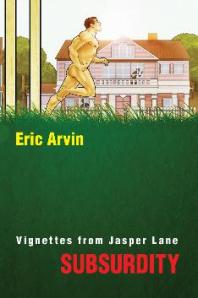
28a362e89da053ec1ac83110.LSubsurdity, que me he tomado la libertad de traducirlo a Absurdia, es el segundo libro publicado de Eric Arvin. Y contiene en su interior la belleza de lenguaje que lo caracteriza, y la rara habilidad que tiene su autor para entrelazar universos paralelos en una historia común, y que dicha historia tenga la suficiente entidad como para enganchar al lector de principio a fin.

Subsurdity es la historia de una urbanización norteamericana, limpia, aseada, de clase media acomodada; es la historia de sus vecinos, preocupados por cosas de vecinos; es la historia de relaciones falsamente superficiales; y es la historia de las miles de historias que pueblan cada una de las casas que forman un vecindario una vez cerramos las puertas a los visitantes entrometidos.

Pero, como es norma en la literatura de Eric Arvin, Subsurdity encierra historias de amor inacabadas: de amistad, de pareja y, de aquellas más profundas: las que mantenemos con nosotros mismos. Todo en el libro parece jocoso (y de hecho lo es), pues es un libro ligero que encierra, como la semilla en el interior del fruto, un tesoro sin igual. Y ese tesoro es lo que Eric Arvin maneja mejor: el secreto de ser, y de parecer, lo más fieles que podamos a nosotros mismos.

Es una historia coral llena de líneas que se cruzan. Es muy sensorial, repleta de miradas, de tactos, de olores y sabores. Todos los personajes guardan secretos, y todos salen a la luz en este vodevil de verano; es un libro lleno de poesía, la poesía escondida en las cosas diarias: ir a la compra, encender una barbacoa, enamorarnos. Y es sobre todo una historia de amor: el amor hacia nosotros, el amor hacia el Otro y el amor hacia lo diverso, hacia lo único y hacia Dios.

Es un libro divertido, jocoso, ligero, asombrosamente conmovedor y superficialmente absurdo. Es una historia que nos enfrenta a nuestras actitudes como vecinos en el mundo, que retrata con maestría y buen humor los rasgos más marcados y oscuros de los individuos; la individualidad feroz y la incomprensión hacia lo distinto; a la vez que nos enseña, en su enorme diversidad, la tolerancia que la propia vida tiene con lo creado; tolerancia que a veces, demasiado seguido quizá, ponemos en duda sin motivo alguno.6400_122874625567_610720567_3340849_2191703_n

Próximamente, en este mes de agosto, sale a la luz una nueva edición de Subsurdity: Vignettes from Jasper Lane, y pronto el autor publicará su continuación, que promete ser igual de alocada, y precisa y tierna, y tan maravillosamente bien escrita, como ésta. Y ambas ediciones presentan, además, la colaboración del artista gráfico portugués HvH, que ha diseñado ambas portadas especialmente para Eric Arvin. Como ocurre con todo en la vida, también los artistas se encuentran, se reconocen y se admiran.

Subsurdity es un magnífico libro de verano, alado, fugaz, de risa fácil y de pensamiento profundo, que mira hacia la diversidad de la vida sin vergüenza alguna y con grandes dosis de optimismo.

6776_136876545567_610720567_3607642_292292_n Subsurdity: Vignettes from Jasper Lane is an incredible book. It is for many reasons: first of them, it’s the second published book by author Eric Arvin. Second, it’s the most funny, clever and profound modern vodevil recently published. It’s funny, a lot, but, as Eric Arvin usually does, it has inside its lines so much profound feelings, so much rotten stories that make its reading enjoyable and interesting.

Eric Arvin’s prose is poetically marvelous. He writes with this magic cadence that makes, in Subsurdity, a perfect match with the sound of the laugh, open, free laugh. His used of the written word is pure magic; that’s why I think of him as a Sorcerer, because he enchants us from the very begining to the very end of the book, leaving us breathless for more. And more will come with the second part of the story, soon to be released.

Subsurdity is a story of a neighborhood, with neighbors looking for each other, looking to their rights and wrongs, to their gardens, to their love life and to their jogging manners. Subsurdity is a protayed of a true American neighborhood full of so many different people that being normal is the exception. And all those stories, embraced in together with a tight lace made of his writing, are made of never told secrets, unspoke fears, unfaced deceptions, and love, above all, love:  for the Other and, most important of all, to ourselves.

Because Eric Arvin always writes about love, because everything is about Love. Real love: that emerges from the ordinary, the different; that grows up in the soil of lost souls; in the shadows of the outcast and different.

That’s the real secret of the funny, airless, wonderful and joyful Subsurdity: it’s a love story, no matter races, genders, explanations, craziness and unfaithful past lifes; no matter, in fact, with whom, to whom or how it happens, just that happens. And love is in the summer air of this precious little book, that soon will be released his second edition at the end of this month of August. And with this new cover by Portuguese graphic artist HvH… Both of them knowing each other, admiring each other and working together as a real artists do.

Subsurdity: Vignettes from Jasper Lane is and incredible summer book. It’s funny, tender, smart and wonderfully beautiful. And leaves us with this big smile on our face that worth every page of it.

Maurice.

Arte/ Art, Libros que he leído/ Books I have read, Literatura/Literature

Creo que pertenezco al género de los románticos. O al menos antes lo era. Ahora crece en mí más el cinismo del tiempo pasado, o advierto con mayor claridad la realidad diaria. Sin embargo, conservo en mi interior al menos una ligera brisa de lo que, antaño, era casi un huracán de sentimientos apasionados, graves e inocentes.Maurice_novel

Hoy, revisando la biblioteca, aparte de darme cuenta de la ausencia de libros prestados un día y nunca más devueltos, reparé en Maurice. Y, al abrirlo, cayeron en mis manos algunos pétalos de rosa. Su contemplación hizo que mi mente, y mi entera realidad, viajase al día en que leí este hermoso libro, hace unos catorce años (la tradición romántica también procuraba reseñar el mes y el año en que estos hechos se producían.) Y el viento de mi juventud, los sentimientos sentidos, y el asombro de la belleza llegaron a mí de repente conforme revisaba las hojas de este librito.

Escrito en 1913 por E. M. Forster (1879-1970), y de publicación póstuma en 1971, la historia de Maurice y Clive, tortuosa, tierna y, finalmente, tan cínica como cualquier amor que una vez creímos real, seguía allí, tan verde, tan poderosa y tan entusiasta como siempre. Ese es el milagro de las buenas historias contadas con magistral encanto.

Maurice es una novela muy profunda, pero es en su aparente ligereza en donde se encuentra encerrada su magia. No es una historia fácil; quiero decir con esto que la historia de su protagonista, Maurice, es dura y tierna, tortuosa y, por sobre toda las cosas, con esa inasibilidad del destino, única y esperanzadora. Y Maurice es un gran libro, como fue una excelente película, porque, a pesar de los muchos pesares y desaires que Maurice sufre a lo largo de sus páginas, el destino cruel de aquellos que se atreven (o que simplemente son) distintos, sólo le lega una felicidad absoluta como el cielo despejado y el mar en calma. Maurice nos gusta porque puede ser cualquiera de nosotros, enfrentado al amor y al desamor, a la burguesa aventura del día a día, a la caída, y finalmente a la recuperación y, por qué no decirlo, al incierto camino de la felicidad. Y Alec, con su espíritu salvaje y tierno, tiene mucho que ver con ello.

Además, como muchas otras obras de E.M. Forster, es un magnífico y satírico retrato de la sociedad inglesa de la época; cuya desaparición, aún incompleta, estalla en sus últimos estertores en los días que vivimos… Y para todos aquellos que, como Maurice, se enfrentan a sus fantasmas y logran aceptarlos, su final brinda un sabio sosiego y una súbita esperanza, que se dibuja en una espléndida sonrisa cuando la última página del libro cierra su historia para siempre.

  I think I was kind of a romantic guy. I used to keep rose petals into the pages of my favorites books, remarked the passages I loved most once or that given to me so much to think or to feel about them. I must admit today I’m more cynical than I never was, but this little fellow I was is hidding beneath the butch guy I’m trying to be today, and sometimes, when he caught this big guy off guard, the most romantic and sentimental side of me floats over me and captures myself completely.

Maurice is that kind of book (and movie). Maurice and Clive’s story, with its ups and downs, romantic and resentful, unconstant and far away from exceptional, but unique and tender, makes Maurice a touching, deep and beautiful book. Written by E. M. Forster in 1913, and edited after the death of the author in 1971, exhalates this breeze of modernity that keeps alive the beat of Maurice’s story and keeps alive its flame.

It’s not an easy story. Reflects the anguish; the fragile happiness; the deep deception and the joy of a man through his early life; and his constant fight, first against himself and, after he found true love and he savoured it, his battle against the society’s rules he is living at. Anyone that has to lived this kind of conflict, this kind of battle against the difference (gender, skin color, tastes, way of living) could find into its pages the torture and the anguish but, as well, the joy and the true beauty of freedom once Maurice met the real love and was prepared to face the world for it.E_M_Forster_signature

Plus, as many other E.M. Forster’s books, Maurice is a protrayed living memory of a time and a social conventions that, nearly to an end in our days, still have some kind of inffluence in our society. And it allows us to understand better from where we are now and to where we can head to,  if we are capable to destroy the last barriers that try to keep Humankind in the tramps of these old fashion and restrictive social laws that have non sense in today’s world.