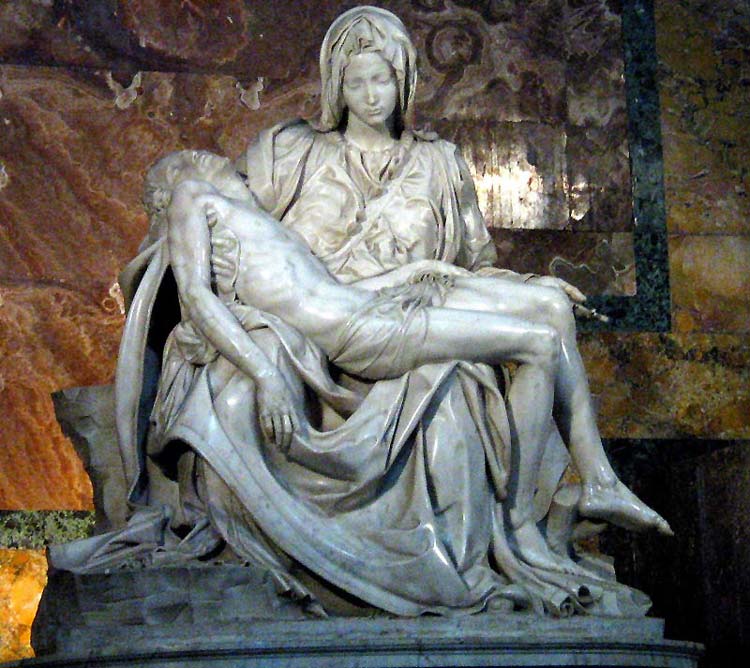
Pietà
Arte/ Art, El día a día/ The days we're living, El mar interior/ The sea inside
A ti, que huyes sin razón aparente, insomne te pregunto dónde estás.
A ti, cuyo silencio es losa en mi corazón, que no te apiadas de mí, me gustaría arrancarte de mis entrañas con dolor amargo, con pérfido ardor.
A ti, cuyo ideal no es más que una imagen congelada en la historia, cuya cobardía impide que te acerques a mi vida, déjame en paz.
A ti, que no te importo en lo más mínimo, sigues siendo el centro de mi existencia, la luz de mis días, la guía de mi corazón.
A ti, que debería odiarte, porque el amor no correspondido no es más que rabia reprimida; al que sigo amando sin remedio y no se merece nada, ni el remordimiento.
A ti.
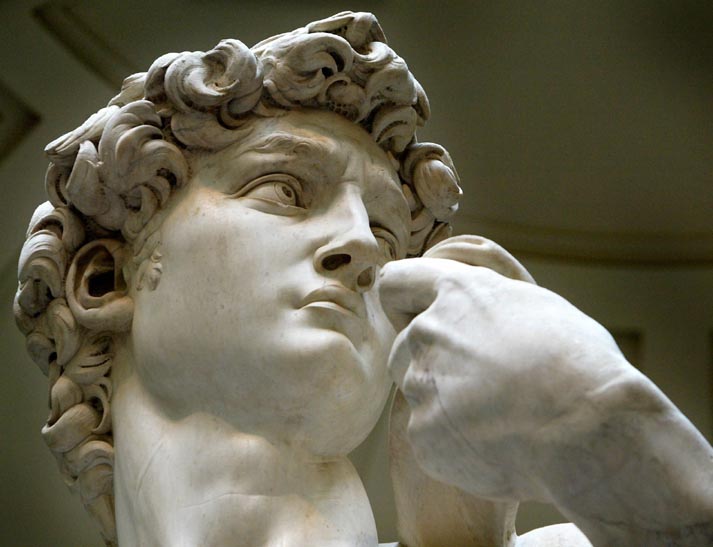
To you, sleepless in the night thinking of you.
To you, with this heavy silence that throws my love away, I want you to peel off from my skin with this absolute pain.
To you, with your ideal image frozen in timeless waves, so coward to be with me, to talk to me, I’d want to ask you to let me go.
To you, even though I know I don’t matter to you, but still be my light, my guidence, my never ending shadow.
To you, whom I would hate because non correspondent love turns to be stucked rage, but I still love with non sense and no remorse.
To you, forever more.
To you.
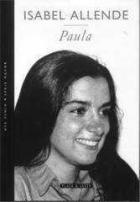 Hay libros que nacen para ser vividos y hay libros que proceden de la vida. Paula aúna estas dos características y las amplifica. Hay hechos que marcan un antes y un después en nuestras vidas y, en la trayectoria literaria de un escritor, también hay libros que se hacen hitos, palancas e incluso universos enteros que transforman su trabajo para siempre.
Paula es un libro distinto en la carrera de su autora, Isabel Allende. No en su contenido, pues está lleno de la autora, si no en la forma; y no exactamente en la forma, si no en cómo están escritas cada una de sus líneas: una historia dentro de una historia, y miles de historias pequeñas resumidas en un punto álgido, en un eje central, que es Paula.
Paula es la hija de Isabel Allende, pero también su punto de partida y su puerto; su totalidad y su nadir. Desde la primavera de su vida hasta el ocaso de su muerte, el libro navega ese mar insomne que es el dolor y nos presenta desnuda de toda fantasía (o llena de esa fantasía de los hechos reales) a una madre, una vida en común y un cabo que se suelta o, mejor, que se transmuta, traspasando esa frontera natural que es la carne.
Es un libro todo corazón procedente de una mujer toda sentimiento, y leyendo sus hojas y palpando su espíritu intuimos, y finalmente sabemos que su final, su última línea, su última palabra, marca el fin de una mujer que hasta esa fecha había sido una cosa y se da cuenta que ahora no es ella misma, y por eso mismo calla.
No hay tortura mayor para un escritor que no escribir, parafraseando a Marguerite Yourcenar. Tras Paula, Isabel Allende tuvo que encontrar de nuevo una voz, porque su voz quedó apagada en el momento en que se cerraron para siempre los ojos de su hija. Hay un antes y un después en la vida privada de la autora, pero también en su vida profesional.
Paula es un hito de ternura, de sentimiento sobrehumano, de puro amor.
Y demuestra que no hay mayor imaginación, mayor amor ni mejores personajes para reencarnarlos, que la vida misma.
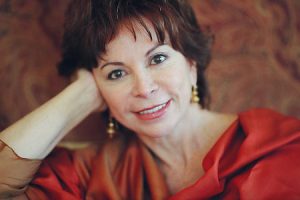 Some books are born to be lived and some of them come from life. Paula combines these two characteristics and expands them. Some facts mark our life so deep that never will dilute from our skin and, in the literary path of a writer, also exists books that become lever, landmarks and even a whole new universes, that transform their work forever.
Paula is so different from others Isabel Allende’s books. But just only in the suface, because all of it is fulled with the author spirit. Every word, every line, every page contains her universe of stories inside stories, but here it goes beyond that and shows us these thousands little stories that summarized in this algid point, this central axis that is Paula.
Paula is Isabel Allende’s daughter, but she is also her departure point and her harbor, her shore. From the spring of life until the dawn of death, the book flows sailing the ever sleepless sea that pain is and show us the naked truth of a mother, of a shared life together and of a loosen stub that goes beyond flesh to incarnate the unbeliavable, the nothing.
It’s a heartfull book coming from a woman that is all emotion. And, reading its pages and sensing its spirit, we can visualize that its end mark the end of the author herself as she ever knew her life, and that this strange discovery leads her to lose her characteristic voice, remaining in silence since then.
There is no greater torture for a writer than non write, paraphrasing to Marguerite Yourcenar. After Paula, Isabel Allende needed to find her own voice again, because that voice turned off the day her daugther closed her eyes forever. There is a landmark on the private life of the author, a landmark that also afected her profesional life as well.
Paula is filled with tenderness, it’s fulled with never ending love. And it shows us that there is no better imagination than life itself.

Soneto XXIX*
Cuando, en desgracia con Fortuna y con el mundo,
lloro a solas mi sola condición de paria
y al sordo cielo en vano con mis gritos hundo
y me miro y maldigo mi estrella contraria,
deseándome igual a otro de más largo
favor, con sus amigos, con su parecido;
envidiando el arte a éste, a aquél el cargo,
con lo que más disfruto menos avenido,
ya es ésas casi odiándome, al fin por ventura
pienso en ti, y al momento mi suerte de un vuelo,
como alondra al romper del día, de la oscura
tierra se alza y canta a las puertas del cielo.
Pues tu amor recordado me aporta tal tesoro
que cambiarme con reyes tengo ya a desdoro.
Sonnet XXIX
When, in disgrace with Fortune and men’s eyes,
I all alone beweep my outcast state
and trouble deaf heaven with my bootless cries
and look upon myself and curse my fate,
wishing me like to one more rich in hope,
featured like him, like him with friend’s possessed,
desiring this man’s art and that man’s scope,
with what I must enjoy contended least,
yet in these thoughts myself almost despising,
haply I think on thee, and then my state,
like to the lark at break of day, arising
from sullen earth, syngs hymns at heaven’s gate.
For thy sweet love rememb’red such wealth brings,
that then I scorn to change my state with kings.
* Traducción de Agustín García Calvo, Editorial Anagrama, sexta edición, marzo 2002, Barcelona (España).
Antes de la lluvia estabas tú. Conmigo. Juntos, así como las flores crecían en nuestro pequeño jardín.
Nuestro. Mío. Tuyo. De ninguno de los dos.
Ahora ya no.
Ahora que la lluvia empapa todo a nuestro alrededor y nos moja los pies, los calcetines, las rodillas, las manos. Y el corazón. Como si nada.
Antes de la lluvia sabía que los días serían iguales, uno tras otro despertando a tu lado. Ahora las noches se deshacen en innumerables gotas de tiempo suspendido, de tiempo perdido.
Pierdo yo porque no estás ya a mi lado. Y tú.
Y tú.
Antes de la lluvia el mundo era una sorpresa, como nuestro jardín desordenado. Ahora no. Ya no.
Y puede que esté bien todo esto, puede. Pero sigue sin gustarme y sigo sin entenderlo.
Ya no te entiendo.
Pero así son las cosas del amor. Los negocios entre tú y yo. Así son. Pero me puede más el corazón y me pesa la soledad. La soledad mojada después del paso de la lluvia, como cortina de cristal que nos separa. No me impide que te siga viendo, pero frena mis intentos por tocarte. Y si no puedo tocarte, arrullarte, besarte, abrazarte, olerte, gustarte, no valgo nada. Nada.
Poco.
Nada.
Antes de la lluvia nuestra vida estaba llena de sol. De sol tormentoso, caluroso e iluminado. Ahora ya no me importa nada. Ni las flores, ni el pequeño jardín desordenado, ni lo que venga mañana.
Nada.

Before rain you were here. With me. Together, like flowers were growing in our little garden.
Ours. Mine. Yours. Neither yours nor mine.
No longer more.
Not now, that rains soakes everything and it wets our feet, socks, knees and hands. And hearts. As nothing matters at all.
Before rain I knew days would grown together, all equals and all graceful, waking up by your side. Now nights desintegrate into innumerable drops of suspended time, of lost time.
I lose because you are not longer with me. And you.
And you.
Before rain world was a constant surprise, like our disorderly garden. Not any more. No more.
And maybe all of this is the right thing to do. Maybe it is. But I still don’t like it and I still don’t understant it.
I do not understand you any more.
But love affairs are like this. Bussiness between you and I are like this. Yes, they are. But my heart is heavier and my solitude is more dense than anything else. Wet solitude after rain passed beyond, like a cristal curtain among us. It does not prevent me to see you, but stops my attemps to touch you. And if I am not allowed to touch you, to smell you, to caress you, to embrace you, I’m worthless.
I am nothing.
Nada.
Before rain our life was full of sun. Stormy sun, warm and illuminated. Now nothing matters to me. Neither growing flowers, nor the small disorderly little garden, nor what comes tomorrow.
Nada.

