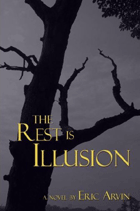
 Estamos en un campus norteamericano, lleno de fraternidades; fiestas, estudios; facultades; parques y campos de juego. Nos es menos extraño gracias al cine y a la televisión, ya que en Europa los campus universitarios son distintos: más solemnes pese a la hirviente juventud que los puebla; más serenos e integrados en la ciudad, de suerte que ciudad y campus se imbrican hasta parecer casi uno y, de hecho, nuestras universidades están por siempre unidas a las ciudades que les dan cobijo. Eso no ocurre en Norteamérica: los campus, contenidos en sí mismos, están alejados de las ciudades, manteniendo un espíritu que les es propio y casi exclusivo, de modo que la realidad vivida por los estudiantes (con sus iniciaciones; sus miedos; el riesgo; la novedad; la pura libertad, en fin) se asemeja más a un sueño vívido que a la teatralidad del mundo real.
Este es el escenario de The Rest Is Illusion, la primera novela de Eric Arvin: el campus de Verona es un útero en donde la vida se sucede en todos sus estadios, y es un personaje más de la obra. En pocos relatos, y menos en un relato novel como éste, la magia del ambiente inyecta tanta personalidad a la historia; sus personajes se mueven en ese mundo casi onírico, en donde todo es posible y en donde todo se descubre, si se tienen los sentidos amplificados y los ojos bien abiertos. Y la Universidad de Verona es el espejo en donde todo se refleja y el río por donde todo fluye, y el seno de la transformación que cada uno de sus protagonistas (Dashel, Ashely, Sarah, Tony, Wilder y Maggie) va sufriendo a lo largo del relato.
Porque The Rest Is Illusion es un libro de iniciación a la vida. A la vida mayestática, que nos obliga a encarar, de una u otra forma, nuestra personalidad real, ésa que se encuentra casi siempre agazapada entre las conveniencias, las opiniones ajenas, las convenciones sociales y nuestro miedo nuclear a no ser amados por lo que somos y sí por lo que creemos ser. Cada uno de sus protagonistas debe afrontar, en un grado u otro, este rito natural tan difícil de encarar y cuyas consecuencias, muchas veces y en muchas vidas, vemos arrastrar en los años posteriores.

Por eso es un libro encantador: enfrentamientos, deseos, descubrimientos, fragilidad, renuncias, aceptación, redención y vida fluyen por las páginas que Eric Arvin ha escrito con un lenguaje bello, reflejando esa misma belleza en todos sus personajes, aún los más oscuros y densos. Y es una historia llena de corazón. Porque hay amor en sus páginas, como hay resentimiento, miedo, postración, lucha y deseo.
The Rest Is Illusion es un caleidoscopio que retrata la aventura de los seres humanos, su diversidad, sus miserias y su triunfo final: Dashel y Ashley, únicos y descastados; Sarah, que esconde en su racionalidad debilidades más profundas; Maggie, cuya inseguridad permite su fácil manejo; Tony, el más deseado y envidiado, que sin embargo sufre por lo que sabe de sí mismo, y Wilder, cuya oscuridad y poder no evitan que acabe identificándose como un juguete roto… Todos ellos se confunden, se entremezclan, se conocen y se desean en esta historia coral, mientras el campus de la Universidad de Verona los acoge en su seno, sin preguntar quiénes son, cómo son o lo que hacen; sin juzgar y sin aparentar ser vista, exactamente como hace el universo con todos nosotros; y para recordarnos, en cada vida vivida, que pese a todo lo que en el fondo nos ocurra, siempre el resto será una ilusión.
Es una novela bella, esculpida con detalle y escrita con un cariño que trasciende al lector, tocándole el corazón, y que encierra en su interior todo el potencial humano que no le cabe en el pecho a su autor, cuya capacidad para transmutarse en sus personajes, para salir vivo de ellos, y con ellos, fascina y encandila a un mismo tiempo.
Eric Arvin crece con cada relato que escribe. Supera sus miedos; se enfrenta a sus fracasos vitales; escapa de la norma y tiende al infinito. Y sus novelas son un reflejo de ese don, un don eterno.
 We’re in Verona College, a Northern-American college campus full of brotherhoods, parties, faculties, studied people, parks and playgrounds. It is less strange for us, European people, thank to televison and cinema. In Europe, campuses are quite different. More solemn in spite of the boiling youth that populates them; and they are more integrated into the city atmosphere than American ones, than keep its independence from the city they’re in, making the atmosphere of their campuses an unique and strange bubble in which students lives go on like in a vivid and colored dream in spite of real life.
This is the scenario of The Rest Is Illusion, the first novel of Eric Arvin: Verona College is an uterus in which all stages of life happen at once and, at the same time, it is an important character of the novel. It is one of these tales where the scenario goes through the characters and gives them the key to find where their lives are heading. That is not simple to achieve, and so remarkable if we’re talking here of a new author in his very first printed novel. So, Verona College is where everything takes place, and where every character transformation (from Dashel to Ashley; Sarah to Maggie; Tony to Wilder) is reflected.
Because The Rest Is Illusion is about life initiations. Life with capital letters; life that forces us to face our very real personality, the one that is disguised beneath our very own conveniences, other people’s opinions, social conventions and our nuclear fear of not being loved for who we really are instead of what we wanted us to be. And each one of the characters in the book has to face this process of self-acceptance, so difficult to achieve, that we constantly can see the heavy burden that it turns out to be in the living years of people who couldn’t do it completely.
That’s why The Rest Is Illusion is a charming book: we can find in its pages all sort of human feelings: confrontation, desires, discoveries, fragility, resignation, self-acceptance and redemption…All written with beautiful language, beauty that reflects each one of its characters, even the more darkest and dense of them. And it is a story from the heart, because there is so much love in its pages, so much desire, so much confrontation and revolution, and pain, and relief…
This novel is a kaleidoscope that portrays the adventure of human beings, their diversity, their miseries and last but not the least, their final triumph: Dashel and Ashley, unique and cold-hearted; Sarah, that hides in her rational mind her deeepest weakness; Maggie, whose insecurities allow her to be manipulated too easily; Tony, the all-american-guy, the most desired and envied that nevertheless suffers because of a very silent secret; and Wilder, whose dark power do not avoid him to be identified with a broken toy… All of them are confused, are intermingled and are known and are desired between themselves in this choral story nested in the onyric and mystical atmosphere of Verona College, that allows them to fight and to find out and to restore their lives without any judgamental move, without asking for nothing and pretending nothing…just like Universe does for ourselves; reminding us here that, beyond human visicitudes and dramas and fights and revelations, all that it left behind it’s just an illusion.
It is a beautiful novel written with love, love that extends to the reader, touching his heart and that spread Eric Arvin’s capability to transcend himself beyond difficulties, frustrations, life-threaten moments and disbelieves; unveiled the incredible talent of this author and the bright future that he has in his own hands. He’s a very talented man, a very gifted man. And this gift grows with every book and every story he shares with us, his unconditional readers and, oh!, I have to say it: fans.


 Hay historias, por más breves que sean, cuya sobria intensidad queda grabada en la memoria como la nota recién emitida vibra en la inmaterialidad del aire.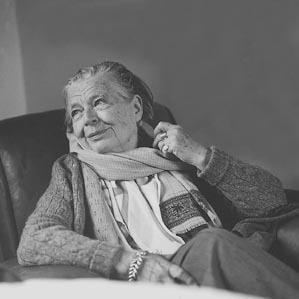
 It’s a short tale; and also, it’s one of the best examples of how in very few lines we can find the treasure of humankind, the most powerful human force to change our lives, and how strong, painful and almost grateful, real freedom can be.
