Abel Arana: más allá de Historias de Chueca/ Abel Arana: Beyond Chueca’s Chronicles.

Arte/ Art, El día a día/ The days we're living, Libros que he leído/ Books I have read, Literatura/Literature, Música/ Music

7629_127870929307_741624307_2244385_1637495_nNo conocía el libro Historias de Chueca. Es que ni siquiera sabía de su existencia. Y mucho menos a su autor: Abel Arana. Por estas cosas de la casualidad, supongo, hace un par de meses más o menos tropecé con su blog La Columna de Abel Arana (No va a quedar una viva) y me enganchó de inmediato. Su estilo directo, desenfadado, más estudiado de lo que parece a la primera impresión; divertido, irónico, locuaz, imaginativo, corrosivo y, a veces, algo polémico, me sedujo como la mejor de las miradas, como la voz más profunda. De hecho, sus reportajes eran tan auténticos, incluso cuando emplea sus alteres egos, que fui capaz de imaginar el tono, la textura y la calidad de aquella voz que emergía de unos párrafos que parecían escritos a la velocidad del rayo.

Es un hombre inteligente. Si así no fuera, sería incapaz de haber hecho (y de hacer) tantas cosas distintas, y bien, por añadidura. Y si hay algo verdaderamente atractivo es la inteligencia simpática, por más acerada y directa que pueda ser en algún momento. Y a mí me sedujo con esa mezcla exótica un poco camp, un poco kistch, un poco libertina, un poco seria, un poco ligera y un mucho auténtica que sus artículos desprendían. Así que me aventuré a escribirle, con uno de esos arranques que no tenía desde mi primera juventud, en la que la inconciencia y la inocencia se daban la mano, a la espera de que aquella persona, cuyas habilidades artísticas habían encendido en mí variadas pasiones, correspondiera con un simple gesto, con apenas una sola línea escrita, a mi fervorosa admiración. Muchos de esos intentos, antes de abandonarlos, se saldaban con unas líneas a máquina escritas por un secretario y selladas con la firma del artista admirado. Pero hubo dos ocasiones, de todas aquellas, en las que me respondieron los propios autores casi con su propia voz: en una ellas, la autora en cuestión me regaló una tarjeta hecha por sí misma y escrita con su puño y letra (Isabel Allende, en un gesto que la honra) y otro ha sido, gracias a la magia de la red, Abel Arana. Y lo hizo expresando extrañeza y agradecimiento, mostrando esa faceta de escondida ternura que alguno de sus reportajes deja escapar, quizá sin pretenderlo, entre sus líneas.n741624307_1018666_187

A través de ese contacto me enteré que había publicado un libro y que, de hecho, estaba en aras de concretar su continuación. Tengo la tendencia de acercarme a todo aquello que me llama la atención con la esperanza de enriquecerme y de aprender, de expandir los límites que nuestro propio ser nos impone. Así hice con Historias de Chueca, y nada más tenerlo entre mis manos, lo devoré con pasión. Es una historia de estilo divertido, fresco, irónico, rápido y profundo a la vez; afilado y tierno; está tejido con un juego de contradicciones, de historias sobre historias que se suceden a toda velocidad, cuyo hilo conductor es el amor fraterno, la profunda amistad que existe entre los dos protagonistas: Alejandro y Miguel, y que nace en dos almas cándidas pero inquietas, noveles pero hambrientas de vida, una vez que llegan al barrio madrileño de Chueca para dar forma a sus más alocados sueños de provincias.

Pero pronto nos damos cuenta que en realidad el libro no es sólo un retrato de Chueca, de la vida en Chueca; sino el fresco de unos años de evolución, de aprendizaje, de encuentros y de desencuentros más allá del barrio rosa de Madrid; más allá de un estilo de vida estereotipado (pero real); y nos muestra las angustias, los problemas, la desazón, los miedos, los fracasos y la redención continua de sus personajes a medida que van creciendo y evolucionando con el barrio que los ha acogido en su seno aceptándolos, tras duras pruebas, como miembros de esa tribu variopinta y libre que lo conforma. Y nos damos cuenta también que, bajo sus múltiples capas de divertimento, de locuras varias, de idas y de venidas, en Historias de Chueca late una historia de amor, y encontramos en la pandilla de Alejandro y Miguel, y en Miguel y en n741624307_1353109_5862451Alejandro, un lazo fuerte, irónico, único e indestructible, a prueba de las bombas de la vida; y una aceptación completa y total de los seres tal cuales somos, y un abrazo a la variedad tan lúcido y tan optimista, que sólo puede acabar en final feliz, dejándonos con una sonrisa continua en el rostro y en la mirada una vez cerramos las tapas del libro.

El libro es una pequeña maravilla que refleja la realidad del día a día sin armas artificiosas, sin buscar extremos. Es un retrato brillante, y como tal, se acerca a la perfección con un andar casi sublime: ironía sin acidez; con un puntito escatológico sin llegar a ser soez; escrito con una llaneza reconfortante y con una pulcritud admirable: Miguel y Alejandro brillan desde el comienzo (acompañados por Matilde, Celeste y el resto, que no lo hacen menos) y se nos hacen queridos porque son encantadores; y a través de sus ojos asistimos a un relato de iniciación, de comienzo, de obertura y desarrollo, ligero y profundo a un mismo tiempo, repleto de ternura, ausente de prejuicios y libre, por sobre todo libre.

Pero Abel Arana es un hombre lleno de sorpresas. Para mí al menos que, aunque compartamos generación, parece que haya habitado en otra galaxia muy, muy lejana. Editor de revistas, presentador de televisión y productor musical, fundó junto con Juan Belmonte  la productora Pumpin’ Dolls, creando mezclas y remixes de verdadero éxito nacional e internacional (¡que yo mismo he bailado y disfrutado sin ser consciente de ello!) Por sus manos han pasado cantantes de medio pelo y artistas de variado recorrido como Marta Sánchez, Mónica Naranjo, Fangoria, Carlos Santana, Kylie Minogue, Whitney Houston o Cher, entre otros… Y yo lo ignoraba… ¿No es increíble? Qué caja de sorpresas…

Es un placer mantener un contacto cercano con personas que nos enriquecen, que luchan por lo que creen, y que viven diariamente la búsqueda constante de la verdadera felicidad: esa que nos da ser nosotros mismos sin límites ni miedos, con entera libertad. Y por eso, más que por sus obvias capacidades y su estilo atractivo, es por lo que lo admiro más.

n741624307_961633_9911I knew nothing about Historias de Chueca (Chueca’s Chronicles). And nothing about the author either: Abel Arana. But I just found out his blog La Columna de Abel Arana (No va a quedar una viva) and it hooked me up almost immediatley. In his direct, self-assured style; funny, smart; loquacious; corrosive, ironic and sometimes controversial; he seduced me so much that I just read each one of its entries just holding my breath.

He’s a smart man. If he wasn’t, he’d unable to do so many things, and do it quite so right, as he have done in the past years. And, for me, there’s almost nothing more attractive than joyful clevernesss. Thus, I contacted him and he revealed as a warm, conscious man, kind and grateful, and I discovered that he had been written a book and he was writing the sequel at that very right moment. So, I told him that I’ll read it and he shot me back that he’ll be expecting for my opinion… Well, here I am doing it with even more joy and gratefulness that I’ve ever imagined I’d ever be.

Chueca’s Chronicles is a wonderful little book. I literally devoured it. It has written with a fresh, open, ironic, quick, light and profound style. It’s a tender book, fill with those true senses, with wonderful stories intertwined, making Love the center and the spirit of the book. Love with capital letters: not only romantic love but loyalty love but fraternal love and friendship love. Chueca’s Chronicles is a coming of age story about two young men that came to the big city, in this very risqué and unique way province’s people could do it, looking for the time of their lives and looking for success, both in jobs and in bed. And their quest, their falls and their stands up, and the love for each other, are the heart of the book.n741624307_1359191_2539063

It’s not only a portrayed picture of Madrid’s queer capital, actually it is more than that. In its pages we learn what about being queer is, how difficult, how wonderful and how hard the quest for a place in the sun is for Miguel and Alejandro and their bang, all as wonderful characters as both are. And it is written with humor, hilarious and irreverent, and with this fast prose surrounded by laughs and tears at the same time as the pages followed by. It’s a fairy tale as long as fairy can means. But, because it is a good book and a great story, there’s more, much more down the surface. It’s a book about fear, self-confidence, lose of control, falls, resurrection and redemption. It’s a book about friendship, the quest of love and of equality, and a book written for freedom. Real freedom, that breaks all rules, all labels and flies free and untied through the blue starry night.

But Abel Arana isn’t just a writer. He’s more than that. He’s beyond Chueca even he belongs to it. And he’s for me, at last, because I was living in a galaxy far, very far away though I knew nothing about him until two months ago. But I knew him without knowledge it. Because, among many other things, he was a magazine editor, a TV host and co-founder, together with Juan Belmonte of Pumpin’ Dolls, one of the best musical production companies, working with many artists, among others: Marta Sánchez, Mónica Naranjo, Fangoria, Carlos Santana, Kylie Minouge, Whitney Houston and even Cher…And I was dancing, enjoying their productions and I never noticed!…Yes, I was far, far away…

Abel Arana is a great man. Smart, tender, funny, ironic and sharp-tongued. But, as clever and wonderful as he’s, it is almost incredible I have contacted him and he contacted back… He’s handsome as well, because people like him have to have it all. But, even though, he’s so grateful and so generous…That he only can have back admiration from me. And I know for sure that he worth it. Every inch of it.

Yeats otra vez/ And Yeats Again.

Arte/ Art, El día a día/ The days we're living, Literatura/Literature

4776_115312033763_590663763_2882691_2700553_nUna Canción Para Beber.

El vino entra en la boca

Y el amor entra en los ojos;

Es todo lo que en verdad conocemos

Antes de que envejezcamos y muramos.

Llevo el vaso a mi boca,

Y te miro, y suspiro.

A Drinking Song.

Wine comes in at the mouth

And love comes in at the eye;

That’s all we shall know for truth

Before we grow old and die.

I lift the glass to my mouth,

I look at you, and sigh.

Fotos por Javier Mantrana del Valle/ Photos by Javier Mantrana del Valle

Yeats.

Arte/ Art, El mar interior/ The sea inside, Libros que he leído/ Books I have read, Literatura/Literature

Dos Ancianos Admirándose en el Agua.

OÍ DECIR a los muy, muy viejos:

«Todo cambia

Y uno a uno vamos cayendo».

Tenían las manos como garras, y sus rodillas

Torcidas como los viejos espinos

Junto a las aguas.

Oí decir a los muy, muy viejos:

«Todo lo bello se pierde al pasar

Como las aguas».

4264_105246268763_590663763_2708331_4776636_n

Two Old Men Admiring Themselves in the Water.

I HEARD the old, old men say,

«Everything alters,

And one by one we drop away».

They had hands like claws, and their knees

Where twiated like the old thorn trees

By the waters.

I heard the old, old men say,

«All that’s beautiful drifts away

Like the waters».

Fotos por Javier Mantrana del Valle/ Photos by Javier Mantrana del Valle

Absurdia: Viñetas de la Calle Jasper/ Subsurdity: Vignettes from Jasper Lane.

Arte/ Art, Libros que he leído/ Books I have read, Literatura/Literature

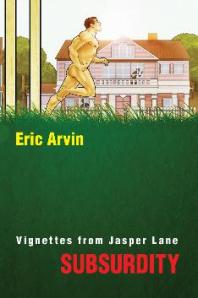
28a362e89da053ec1ac83110.LSubsurdity, que me he tomado la libertad de traducirlo a Absurdia, es el segundo libro publicado de Eric Arvin. Y contiene en su interior la belleza de lenguaje que lo caracteriza, y la rara habilidad que tiene su autor para entrelazar universos paralelos en una historia común, y que dicha historia tenga la suficiente entidad como para enganchar al lector de principio a fin.

Subsurdity es la historia de una urbanización norteamericana, limpia, aseada, de clase media acomodada; es la historia de sus vecinos, preocupados por cosas de vecinos; es la historia de relaciones falsamente superficiales; y es la historia de las miles de historias que pueblan cada una de las casas que forman un vecindario una vez cerramos las puertas a los visitantes entrometidos.

Pero, como es norma en la literatura de Eric Arvin, Subsurdity encierra historias de amor inacabadas: de amistad, de pareja y, de aquellas más profundas: las que mantenemos con nosotros mismos. Todo en el libro parece jocoso (y de hecho lo es), pues es un libro ligero que encierra, como la semilla en el interior del fruto, un tesoro sin igual. Y ese tesoro es lo que Eric Arvin maneja mejor: el secreto de ser, y de parecer, lo más fieles que podamos a nosotros mismos.

Es una historia coral llena de líneas que se cruzan. Es muy sensorial, repleta de miradas, de tactos, de olores y sabores. Todos los personajes guardan secretos, y todos salen a la luz en este vodevil de verano; es un libro lleno de poesía, la poesía escondida en las cosas diarias: ir a la compra, encender una barbacoa, enamorarnos. Y es sobre todo una historia de amor: el amor hacia nosotros, el amor hacia el Otro y el amor hacia lo diverso, hacia lo único y hacia Dios.

Es un libro divertido, jocoso, ligero, asombrosamente conmovedor y superficialmente absurdo. Es una historia que nos enfrenta a nuestras actitudes como vecinos en el mundo, que retrata con maestría y buen humor los rasgos más marcados y oscuros de los individuos; la individualidad feroz y la incomprensión hacia lo distinto; a la vez que nos enseña, en su enorme diversidad, la tolerancia que la propia vida tiene con lo creado; tolerancia que a veces, demasiado seguido quizá, ponemos en duda sin motivo alguno.6400_122874625567_610720567_3340849_2191703_n

Próximamente, en este mes de agosto, sale a la luz una nueva edición de Subsurdity: Vignettes from Jasper Lane, y pronto el autor publicará su continuación, que promete ser igual de alocada, y precisa y tierna, y tan maravillosamente bien escrita, como ésta. Y ambas ediciones presentan, además, la colaboración del artista gráfico portugués HvH, que ha diseñado ambas portadas especialmente para Eric Arvin. Como ocurre con todo en la vida, también los artistas se encuentran, se reconocen y se admiran.

Subsurdity es un magnífico libro de verano, alado, fugaz, de risa fácil y de pensamiento profundo, que mira hacia la diversidad de la vida sin vergüenza alguna y con grandes dosis de optimismo.

6776_136876545567_610720567_3607642_292292_n Subsurdity: Vignettes from Jasper Lane is an incredible book. It is for many reasons: first of them, it’s the second published book by author Eric Arvin. Second, it’s the most funny, clever and profound modern vodevil recently published. It’s funny, a lot, but, as Eric Arvin usually does, it has inside its lines so much profound feelings, so much rotten stories that make its reading enjoyable and interesting.

Eric Arvin’s prose is poetically marvelous. He writes with this magic cadence that makes, in Subsurdity, a perfect match with the sound of the laugh, open, free laugh. His used of the written word is pure magic; that’s why I think of him as a Sorcerer, because he enchants us from the very begining to the very end of the book, leaving us breathless for more. And more will come with the second part of the story, soon to be released.

Subsurdity is a story of a neighborhood, with neighbors looking for each other, looking to their rights and wrongs, to their gardens, to their love life and to their jogging manners. Subsurdity is a protayed of a true American neighborhood full of so many different people that being normal is the exception. And all those stories, embraced in together with a tight lace made of his writing, are made of never told secrets, unspoke fears, unfaced deceptions, and love, above all, love:  for the Other and, most important of all, to ourselves.

Because Eric Arvin always writes about love, because everything is about Love. Real love: that emerges from the ordinary, the different; that grows up in the soil of lost souls; in the shadows of the outcast and different.

That’s the real secret of the funny, airless, wonderful and joyful Subsurdity: it’s a love story, no matter races, genders, explanations, craziness and unfaithful past lifes; no matter, in fact, with whom, to whom or how it happens, just that happens. And love is in the summer air of this precious little book, that soon will be released his second edition at the end of this month of August. And with this new cover by Portuguese graphic artist HvH… Both of them knowing each other, admiring each other and working together as a real artists do.

Subsurdity: Vignettes from Jasper Lane is and incredible summer book. It’s funny, tender, smart and wonderfully beautiful. And leaves us with this big smile on our face that worth every page of it.

Gitanjali.

Arte/ Art, El mar interior/ The sea inside, Literatura/Literature, Los días idos/ The days gone

Canción 12.fior-di-loto

¡Que largo es mi viaje y qué extenso es mi camino!

Salí en la carroza con el primer destello del alba y proseguí mi camino a través de los desiertos del mundo, dejando mi huella en numerosos planetas y estrellas.

El camino más largo es el que llega con mayor rapidez ante ti, y la enseñanza más complicada es la que se traduce en la sencillez de una melodía.

El viajero debe golpear en una y otra puerta extraña hasta poder llegar a la suya; y ha de marchar errante por todos los mundos externos, para alcanzar al fin su santuario más íntimo.

Mis ojos viajaron errantes durante mucho tiempo, antes de que los cerrara diciendo:»¡Aquí estás tú»

El grito que pregunta: «¿En dónde?», se funde en raudales de lágrimas e inunda al mundo con el torrente de ese: «¡Aquí estoy!»

1zx9libSong 12.

The time that my journey takes is long and the way of it long.

I came out on the chariot of the first gleam of light, and pursued my voyages through the wilderness of worlds leaving my track on many a star and planet.

It is the most distant course that comes nearest to thyself, and that training is the most intricate which leads to the utter simplicity of a tune.

The traveler has to knock at every alien door to come to his own, and one has to wander through all the outer worlds to reach the innermost shrine at the end.

My eyes strayed far and wide before I shut them and said: ‘Here art thou!’

The question and the cry ‘Oh, where?’ melt into tears of a thousand streams and deluge the world with the flood of the assurance ‘I am!’

Maurice.

Arte/ Art, Libros que he leído/ Books I have read, Literatura/Literature

Creo que pertenezco al género de los románticos. O al menos antes lo era. Ahora crece en mí más el cinismo del tiempo pasado, o advierto con mayor claridad la realidad diaria. Sin embargo, conservo en mi interior al menos una ligera brisa de lo que, antaño, era casi un huracán de sentimientos apasionados, graves e inocentes.Maurice_novel

Hoy, revisando la biblioteca, aparte de darme cuenta de la ausencia de libros prestados un día y nunca más devueltos, reparé en Maurice. Y, al abrirlo, cayeron en mis manos algunos pétalos de rosa. Su contemplación hizo que mi mente, y mi entera realidad, viajase al día en que leí este hermoso libro, hace unos catorce años (la tradición romántica también procuraba reseñar el mes y el año en que estos hechos se producían.) Y el viento de mi juventud, los sentimientos sentidos, y el asombro de la belleza llegaron a mí de repente conforme revisaba las hojas de este librito.

Escrito en 1913 por E. M. Forster (1879-1970), y de publicación póstuma en 1971, la historia de Maurice y Clive, tortuosa, tierna y, finalmente, tan cínica como cualquier amor que una vez creímos real, seguía allí, tan verde, tan poderosa y tan entusiasta como siempre. Ese es el milagro de las buenas historias contadas con magistral encanto.

Maurice es una novela muy profunda, pero es en su aparente ligereza en donde se encuentra encerrada su magia. No es una historia fácil; quiero decir con esto que la historia de su protagonista, Maurice, es dura y tierna, tortuosa y, por sobre toda las cosas, con esa inasibilidad del destino, única y esperanzadora. Y Maurice es un gran libro, como fue una excelente película, porque, a pesar de los muchos pesares y desaires que Maurice sufre a lo largo de sus páginas, el destino cruel de aquellos que se atreven (o que simplemente son) distintos, sólo le lega una felicidad absoluta como el cielo despejado y el mar en calma. Maurice nos gusta porque puede ser cualquiera de nosotros, enfrentado al amor y al desamor, a la burguesa aventura del día a día, a la caída, y finalmente a la recuperación y, por qué no decirlo, al incierto camino de la felicidad. Y Alec, con su espíritu salvaje y tierno, tiene mucho que ver con ello.

Además, como muchas otras obras de E.M. Forster, es un magnífico y satírico retrato de la sociedad inglesa de la época; cuya desaparición, aún incompleta, estalla en sus últimos estertores en los días que vivimos… Y para todos aquellos que, como Maurice, se enfrentan a sus fantasmas y logran aceptarlos, su final brinda un sabio sosiego y una súbita esperanza, que se dibuja en una espléndida sonrisa cuando la última página del libro cierra su historia para siempre.

  I think I was kind of a romantic guy. I used to keep rose petals into the pages of my favorites books, remarked the passages I loved most once or that given to me so much to think or to feel about them. I must admit today I’m more cynical than I never was, but this little fellow I was is hidding beneath the butch guy I’m trying to be today, and sometimes, when he caught this big guy off guard, the most romantic and sentimental side of me floats over me and captures myself completely.

Maurice is that kind of book (and movie). Maurice and Clive’s story, with its ups and downs, romantic and resentful, unconstant and far away from exceptional, but unique and tender, makes Maurice a touching, deep and beautiful book. Written by E. M. Forster in 1913, and edited after the death of the author in 1971, exhalates this breeze of modernity that keeps alive the beat of Maurice’s story and keeps alive its flame.

It’s not an easy story. Reflects the anguish; the fragile happiness; the deep deception and the joy of a man through his early life; and his constant fight, first against himself and, after he found true love and he savoured it, his battle against the society’s rules he is living at. Anyone that has to lived this kind of conflict, this kind of battle against the difference (gender, skin color, tastes, way of living) could find into its pages the torture and the anguish but, as well, the joy and the true beauty of freedom once Maurice met the real love and was prepared to face the world for it.E_M_Forster_signature

Plus, as many other E.M. Forster’s books, Maurice is a protrayed living memory of a time and a social conventions that, nearly to an end in our days, still have some kind of inffluence in our society. And it allows us to understand better from where we are now and to where we can head to,  if we are capable to destroy the last barriers that try to keep Humankind in the tramps of these old fashion and restrictive social laws that have non sense in today’s world.

Una faz de Lorca/ A glance of Lorca.

Arte/ Art, Literatura/Literature

Variación

El remanso del aireDSC00652

bajo la rama del eco.

El remanso del agua

bajo fronda de luceros.

El remanso de tu boca

bajo espesura de besos.


Variations

The still waters of the air

under the bough of the echo.

The still waters of the water

under a frond of stars.

The still waters of your mouth

under a thicket of kisses.