Nueva Vieja Conciencia/ New Old Consciousness

El día a día/ The days we're living, El mar interior/ The sea inside, Libros que he leído/ Books I have read

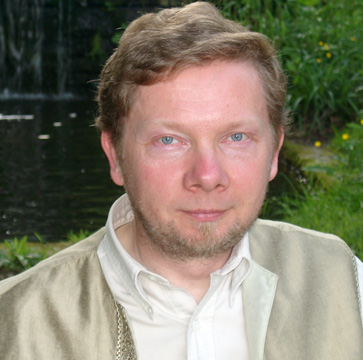
   Eckhart Tolle es una de esas personas transparentes, un fenómeno comunicacional, vibrante, sereno, políglota y aunador, recuperador de las diversas fuentes de la fe, la religiosidad y de la vida, que ha sabido mezclar, separando el grano de la paja, lo más profundo de las diversas religiones humanas y explorar la libertad, la verdadera libertad integradora del ser humano. No es un gurú, un avatar, un iluminado: es una persona sin igual porque es un ser humano que intenta ser completo; que no deniega, no separa, sino que alinea, une, aglutina, acepta y libera. Es uno de los ejemplos de cómo ser en el presente, en el siglo XXI. Un nuevo puente que invita a la transformación, al desarrollo y a la libertad.

   Eckhart Tolle tiene en común lo que los grandes filósofos han hilvanado a lo largo de la historia del hombre. Mientras que El Poder del Ahora tiende a ser más un libro de los llamados de autoayuda, una transcripción literaria de sus charlas, La Nueva Tierra es la presentación literaria, y por ende llena de vida, de su visión optimista y nunca sencilla de la nueva vida. tpon-cover
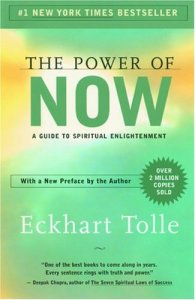
   Tiene puntos en común con grandes hombres y grandes religiosos; desde Viktor Frankl hasta Paulo Coelho, todas las influencias humanas podemos encontrarlas en sus líneas. Y su lectura y su voz transmiten tanta paz, que leerle u oírle termina llenando de alegría y de esperanza. Es un hombre cercano a Dios y, por lo tanto, muy cercano a los seres humanos.

   big0452289963

   Eckart Tolle is a great man. Profound, tender, direct and enlightened. He’s a philosopher, a visionary, and lives his life with Freedom and Joy.

   He does not sell a quick way to achieve the inner peace, the completeness of being; at all. He shows, like an open book, like a beautiful piece of Art, whose Human Time, Hystory and Art are constantly teaching us along centuries. In times in which we’re living more and more isolated, more and more pressured by our own way of living, those simply words, those profound words, those never easy words are pure wisdom, are pure silent, are pure peace.

   We have so many ways to achieve ourselves. So many. He gives us one of them, a rainbow of bridges that cross over the human river, and he, as well as  one wonderful and unique human beign taught us once, invites us to cross those bridges enjoying the walk, but never lay stuck in them forgetting the Now.

   That is wisdom, simply and pure. And joy.
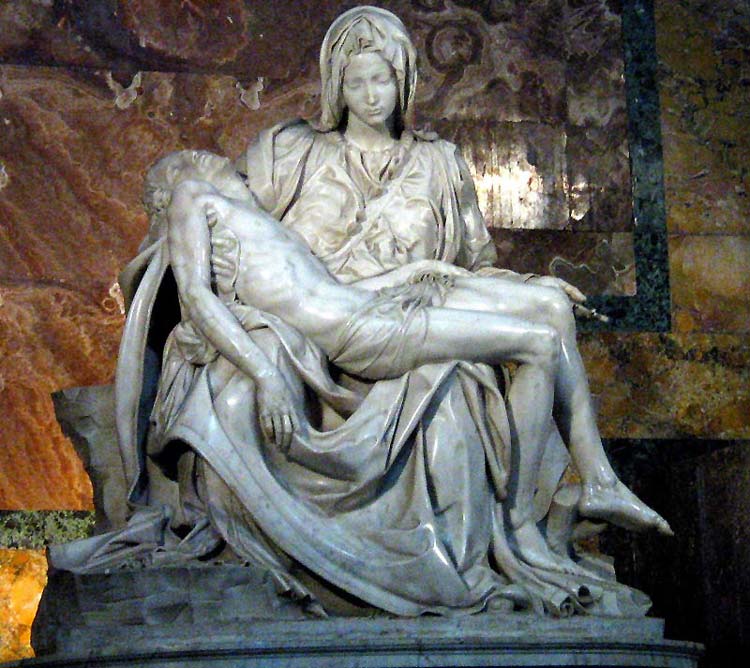
Pietà

Arte/ Art, El día a día/ The days we're living, El mar interior/ The sea inside

michelangelo_pieta

Antes de la lluvia/ Before rain.

El día a día/ The days we're living, El mar interior/ The sea inside

Antes de la lluvia estabas tú. Conmigo. Juntos, así como las flores crecían en nuestro pequeño jardín.

Nuestro. Mío. Tuyo. De ninguno de los dos.

Ahora ya no.

Ahora que la lluvia empapa todo a nuestro alrededor y nos moja los pies, los calcetines, las rodillas, las manos. Y el corazón. Como si nada.

Antes de la lluvia sabía que los días serían iguales, uno tras otro despertando a tu lado. Ahora las noches se deshacen en innumerables gotas de tiempo suspendido, de tiempo perdido.

Pierdo yo porque no estás ya a mi lado. Y tú.

Y tú.

Antes de la lluvia el mundo era una sorpresa, como nuestro jardín desordenado. Ahora no. Ya no.

Y puede que esté bien todo esto, puede. Pero sigue sin gustarme y sigo sin entenderlo.

Ya no te entiendo.

Pero así son las cosas del amor. Los negocios entre tú y yo. Así son. Pero me puede más el corazón y me pesa la soledad. La soledad mojada después del paso de la lluvia, como cortina de cristal que nos separa. No me impide que te siga viendo, pero frena mis intentos por tocarte. Y si no puedo tocarte, arrullarte, besarte, abrazarte, olerte, gustarte, no valgo nada. Nada.

Poco.

Nada.

Antes de la lluvia nuestra vida estaba llena de sol. De sol tormentoso, caluroso e iluminado. Ahora ya no me importa nada. Ni las flores, ni el pequeño jardín desordenado, ni lo que venga mañana.

Nada.


Primavera en Casa da Rebolta (Santiago de Compostela, España) 

Before rain you were here. With me. Together, like flowers were growing in our little garden.

Ours. Mine. Yours. Neither yours nor mine.

No longer more.

Not now, that rains soakes everything and it wets our feet, socks, knees and hands. And hearts. As nothing matters at all.

Before rain I knew days would grown together, all equals and all graceful, waking up by your side. Now nights desintegrate into innumerable drops of suspended time, of lost time.

I lose because you are not longer with me. And you.

And you.

Before rain world was a constant surprise, like our disorderly garden. Not any more. No more.

And maybe all of this is the right thing to do. Maybe it is. But I still don’t like it and I still don’t understant it.

I do not understand you any more.

But love affairs are like this. Bussiness between you and I are like this. Yes, they are. But my heart is heavier and my solitude is more dense than anything else. Wet solitude after rain passed beyond, like a cristal curtain among us. It does not prevent me to see you, but stops my attemps to touch you. And if I am not allowed to touch you, to smell you, to caress you, to embrace you, I’m worthless.

I am nothing.

Nada.

Before rain our life was full of sun. Stormy sun, warm and illuminated. Now nothing matters to me. Neither growing flowers, nor the small disorderly little garden, nor what comes tomorrow.

Nada.

Santiago de Compostela (III)

Arte/ Art, El día a día/ The days we're living, Lugares que he visto/ Places I haven been

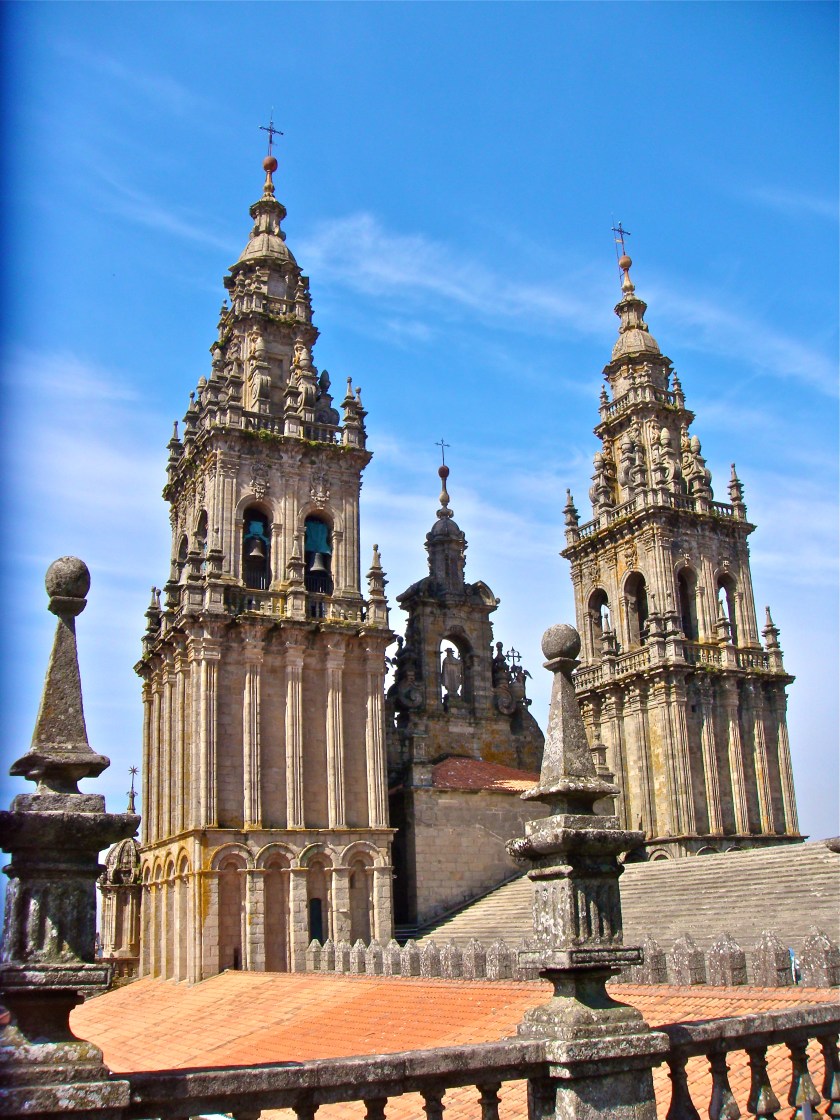
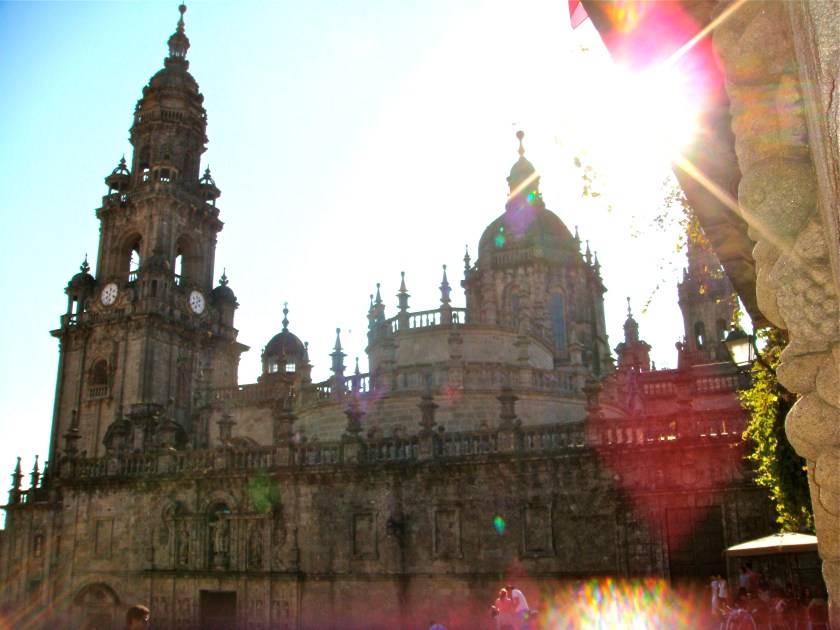
   Vistas desde el centro de la ciudad, es decir, desde la catedral.

Catedral de Santiago (desde el techo), Santiago de Compostela, España 

   Desde los techos de la catedral se puede ver la ciudad con una perspectiva nueva, y la visita es digna de hacerse.

Catedral de Santiago (techos), Santiago de Compostela, España

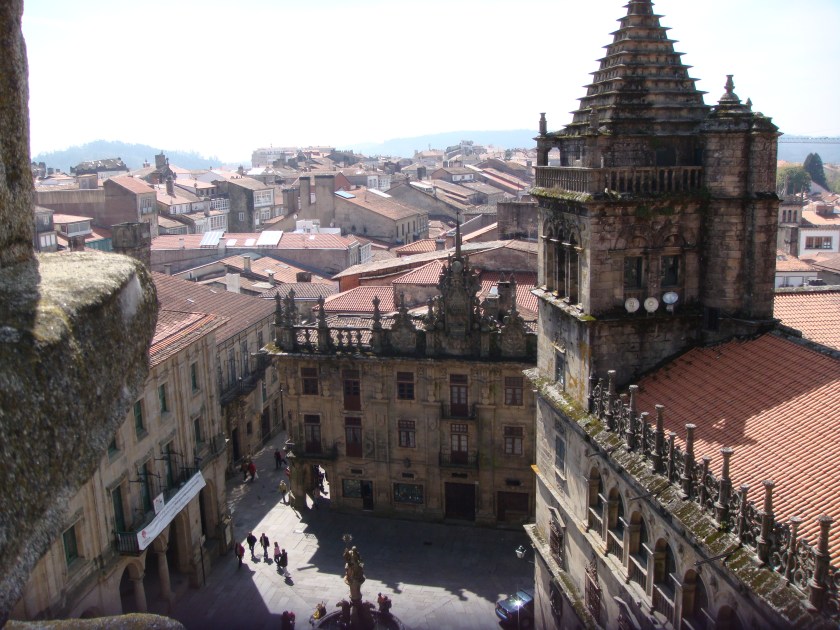
   These views are from the roof of the Cathedral. 

Catedral de Santiago (techos), Santiago de Compostela, España

   During this spring, a beautiful morning to enjoy other way to see the City.

Fuente de los Caballos, Plaza de Platerías, Santiago de Compostela, España

Santiago de Compostela (II)

Arte/ Art, El día a día/ The days we're living, Lugares que he visto/ Places I haven been

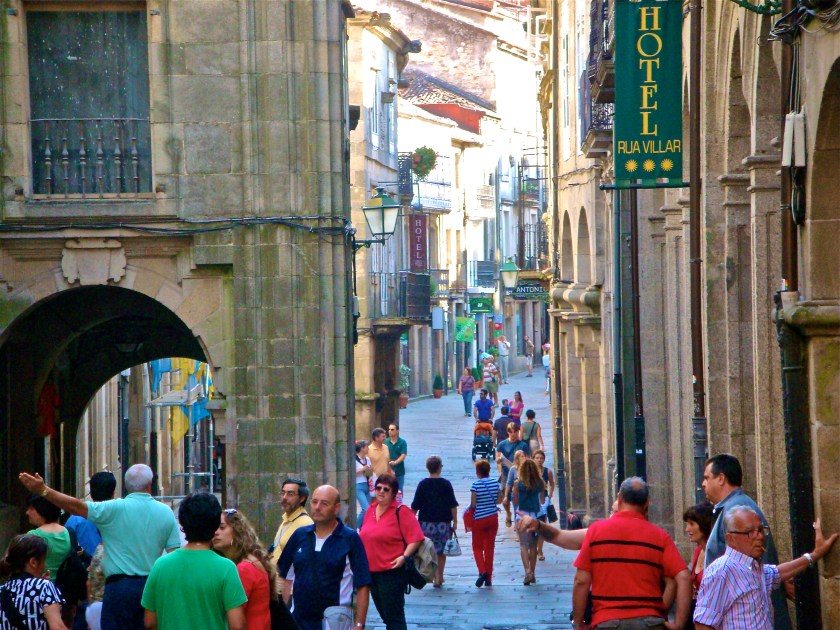
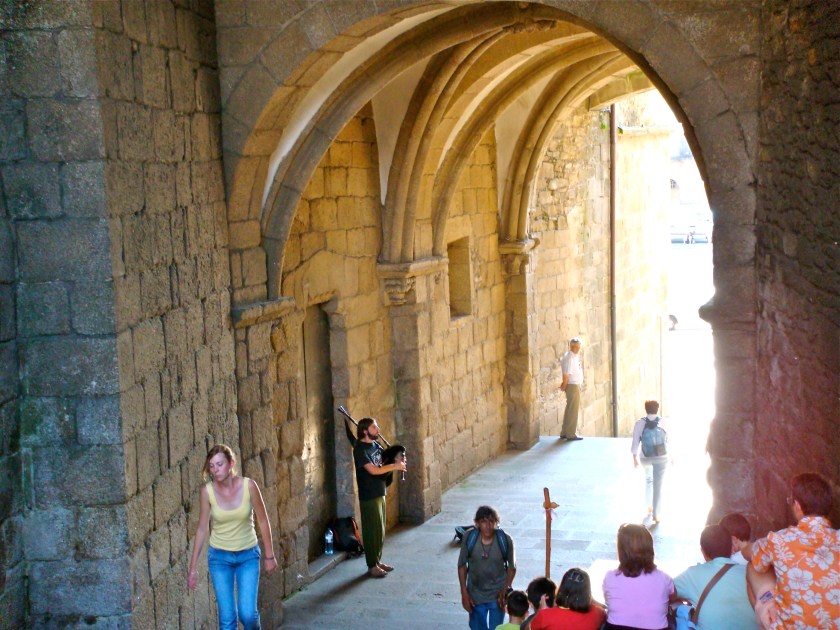
Algunas rúas de la zona Monumental.


Plaza de Platerías, Santiago de Compostela, España.


Some streets from the Old City

Rúa de Fonseca, Santiago de Compostela, España (Spain)

Durante el verano.

Rúa de Huertas, Santiago de Compostela, España.Summer.

Rúa de San Francisco, Santiago de Compostela, España.

Santiago de Compostela: mi hogar/ Santiago de Compostela: home (I)

Arte/ Art, El día a día/ The days we're living, Lugares que he visto/ Places I haven been

   Llevo viniendo a esta ciudad desde que tengo memoria. Primero, en vuelos transatlánticos, que duraban medio día, y desde hace ahora diecinueve años, prácticamente a diario.

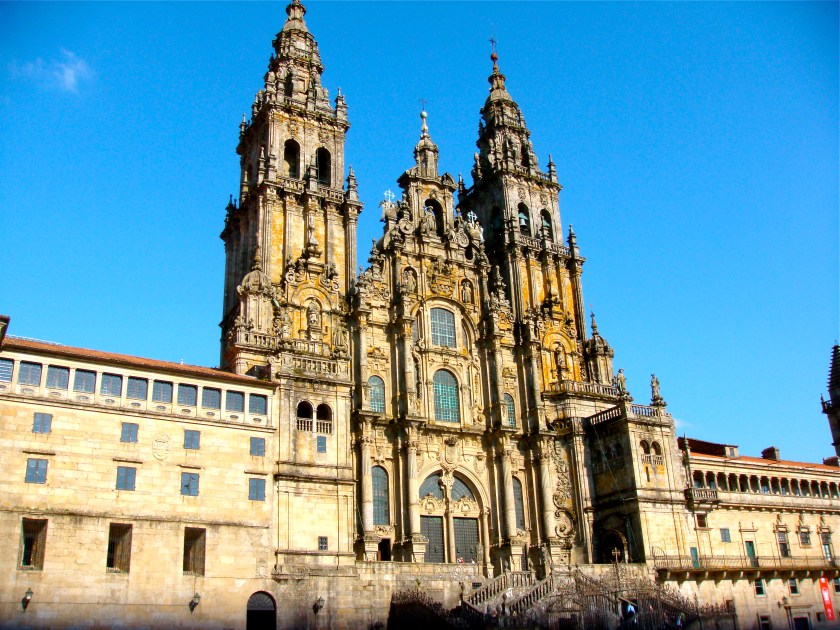
Fachada del Obradoiro, Plaza del Obradoiro, Santiago de Compostela, España.


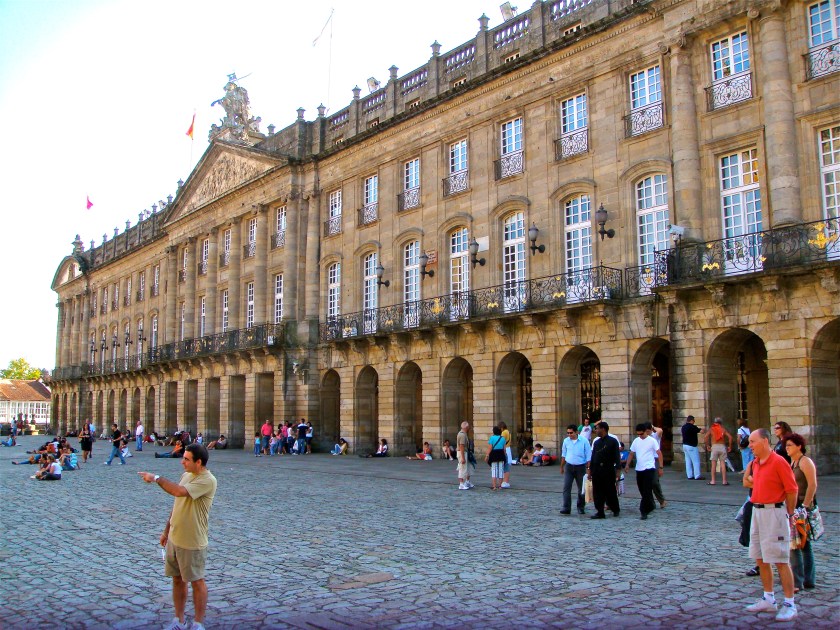
   Es una ciudad pequeña, no llega a 100.000 habitantes, pero en ella se resume todo lo que importa: una larga historia, anudada con el lazo del Camino; Arte; comunicaciones; verdes y frondosos parques; vida diurna y nocturna de gran calidad, y belleza. Aunque me mude, aunque tenga que dejar de vivir entre sus calles de piedra, Santiago permanecerá conmigo, como el Mar Caribe de mi niñez, dentro de mis entrañas.

Catedral de Santiago de Compsotela, España-


    I take coming to this city since I have memory. First, in transatlantic flights that lasted half a day, and for nineteen years this summer, practically on a daily basis.

Pazo de Xelmírez, Santiago de Compostela, España.

   It is a small city, does not arrived at 100,000 citizens, but in it everything that matters is resumed: an ancient History, tied with the bow of the Way of Saint James; Art; communications; green and leafy parks; diurnal and nocturnal life of great quality, and beauty. Although it all changes to me, although I must stop living between its  stone streets, Santiago de Compostela will remain with me, like the Caribbean Sea of my childhood, within my entrails.

Palacio de Rajoy, Plaza del Obradoiro, Santiago de Compostela, España.

Susan Boyle: un símbolo./ Susan Boyle: a symbol.

El día a día/ The days we're living

No es ninguna novedad, a estas alturas de su revolución multimedia, que Susan Boyle ha sufrido una eclosión. Y no me refiero a la fama (¡qué cosa tan manida, tan deseada y aburrida!); me refiero a lo que ella representa, por lo que yo hallo en ella un símbolo: no importa el momento de la vida, lo ocurrido, lo herido y lo olvidado; lo único que verdaderamente vale es el momento actual, el hoy, el Ahora. Ella ya era maravillosa; quiero decir que ya cantaba con voz prístina, salvaje y libre antes de todo esto, sólo que nadie lo sabía. Y ella quería que se supiese. Porque un tesoro semejante tiene que salir a la luz, tiene que ser conocido. Y lo ha hecho. Con una canción cuya letra es un retrato de su vida, y la de todos nosotros cuyos sueños son, si no los mismos, al menos similares.

A lo largo de la canción, con la que se identificaba hasta los huesos, pudimos ver cómo se transformaba, cómo conseguía relucir con el brillo sereno de lo sencillo, de lo único e irrepetible. Cada vez que cantaba que la vida vivida destrozaba uno a uno los sueños de la juventud, eran sus sueños y nuestros sueños, los que retrataba con vigor.

A cada uno su tiempo; a cada día su afán. El suyo ha sido ahora… ¿Y qué será de ella? No creo que importe. Susan Boyle logró transformar su sueño en realidad; el cisne que había en ella brotó en esos pocos minutos. Lo demás no tiene importancia. Salvo por lo que ella personifica, por lo que ella es hoy un símbolo: la esperanza renovada.

I dreamed a dream*/ Yo tuve un sueño**

I dreamed a dream in time gone by/ Yo tuve un sueño hace ya tiempo 

When hope was high/ cuando las esperanzas eran muchas

And life worth living./ y la vida valía la pena vivirla.

I dreamed  that love would never die,/ Y soñé que el amor nunca moriría,

I dreamed that God would be forgiving./ y soñé que Dios siempre perdonaría.

Then I was young and unaffraid,/ Pero era joven e inconsciente,

When dreams were made and used and wasted./ en el tiempo en que los sueños se malgastan y se pierden.

There was no ransom to be paid,/ No había deudas por pagar,

no song unsung,/ ni canciones sin cantar,

no wine untasted./ ni vinos sin catar.

But the tigers come at night / Pero lo desconocido acecha en la noche,

With their voices soft as thunder,/ de forma imprevista con sus voces de trueno,

As they tear your hopes apart,/ y logra aniquilar todas las esperanzas acumuladas

As they turn your dreams to shame/ transformando los sueños en nada.

And still I dream he’ll come to me/ Pero aún así soñé que un día él vendría

And we will live our lives together/  y que viviríamos juntos por siempre.

But there are dreames that cannot be/ Pero hay sueños que nunca pueden ser

And there are storms we cannot weather…/ como hay tormentas a las que no resistir podemos.

I had a dream my life would be/ Yo soñé una vez cómo sería mi vida

So different from this hell I’m living/ tan distinta del infierno en el que hoy vivo.

So different now from what it seems/ Tan diferente era a lo que hoy es…

Now life has killed / Que la vida ha dado muerte

The dream I dreamed./ al sueño que una vez soñé.

It is not any newness, at this point of her multimedia revolution, that Susan Boyle has undergone a transformation. And I do not talk here about fame (what so rotten, so wished and boring matter!); I talk about which she represents, the reason why I found in her a symbol: it doesn’t matter the moment of life; the diferent things that happened, wounded and forgotten; the unique thing that truly worth is the present moment, today, the Now. She was already wonderful, I mean that she sang with pristine, wild and free voice before all this; only that few people knew about it. And she wanted everybody knew what she had inside. Because a treasure like that must come to the light, it must be known to everybody. She has done it. With a song whose lyrics are a picture of her own life, as well as the ones whose dreams are, if not the same, at least similar to hers.

Throughout that song, with she identified through to the bones, we could see how she was able to shine with the calm brightness of a pure spirit. Whenever she sang about how livid life destroyed each dream dreamed in the youth, they were her dreams and our dreams those  she protrayed with so powerful vigor.

Everyone has his own time; every day, its duties. She has her own… And what it will be of her? I do not believe that matters. She managed to transform her dream in fact; the swam that was in her appeared in all its splendour in those few minutes. The other things that life is made of do not matter at all. Except for what Susan Boyle personifies, for what she is now a real symbol: a renewed Hope.


* from Les Miserables, the Musical. ** Traducción absolutamente libre.