Mi hogar/ Home.
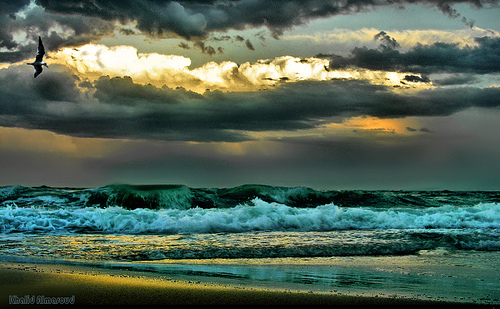
El día a día/ The days we're living, El mar interior/ The sea inside
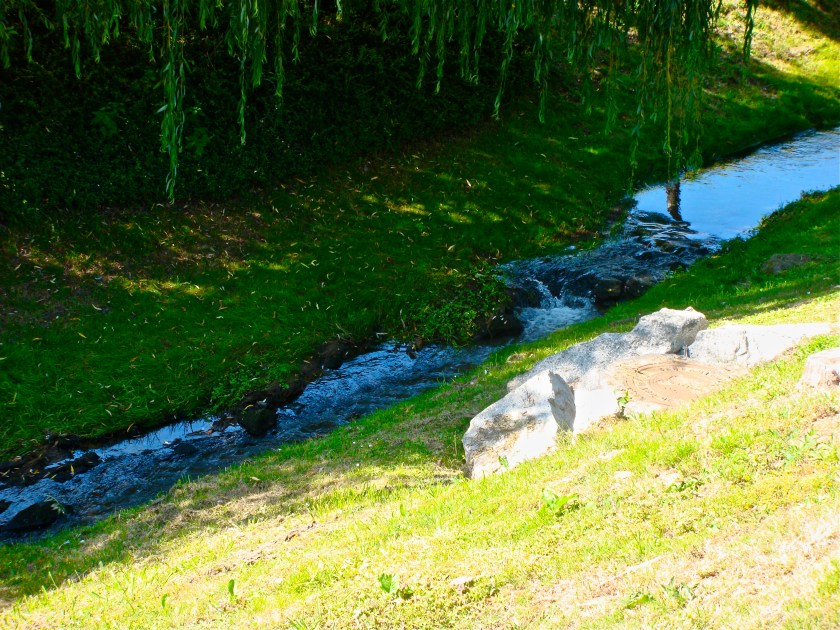
Paseando por Santiago de Compostela, entramos en un parque público amurallado, anteriormente el jardín de un viejo pazo abandonado, mientras la luz de la tarde entraba a raudales por los senderos restaurados a la vera del pequeño desvío del río, y el suave viento levantaba de la hierba recién cortada un sinnúmero de aromas entremezclados con la sombra de manzanos y perales, repletos de fruta colgada, y de pinos con sus agujas de terciopelo y de robles con sus ramas como abanicos.
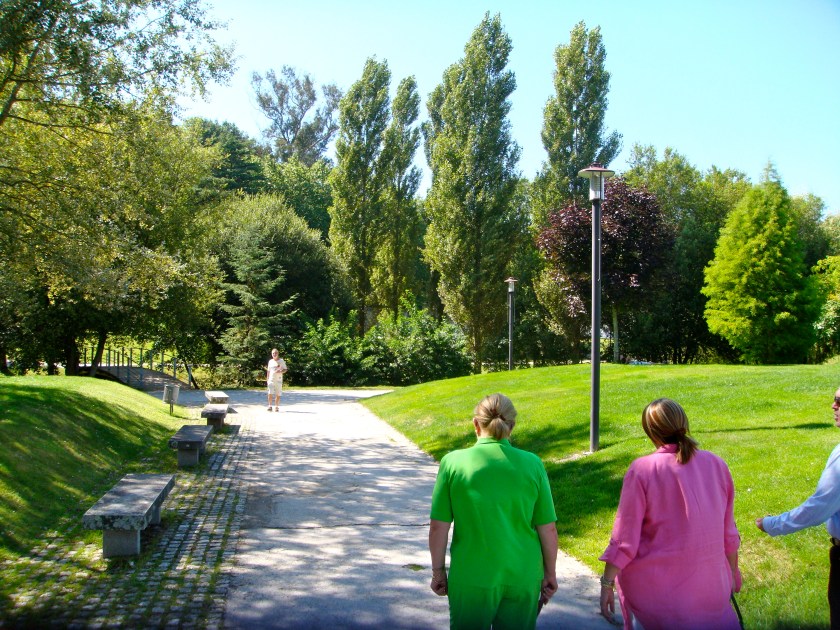
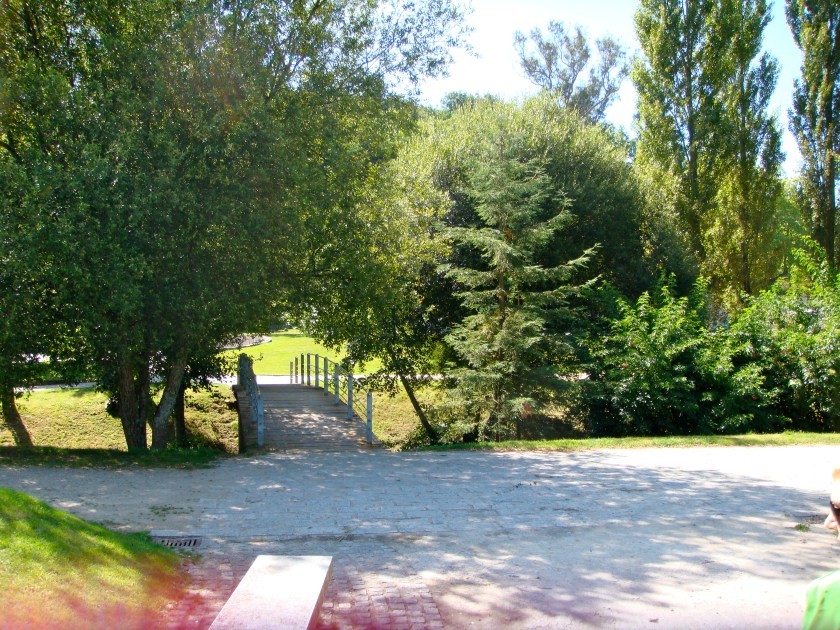
Walking into Santiago de Compostela, we came into this public park, years ago the old garden of an old and ruin palace, rebuilt and opened up. We walked through it feeling the warmth of the afternoon, the smell of the recently cut grass and the rumour of the little river across the park; felt elevated while we were inside its walls, discovering the shadows of pines, oaks, apple-tress, pear-trees and other wonderful surprises.
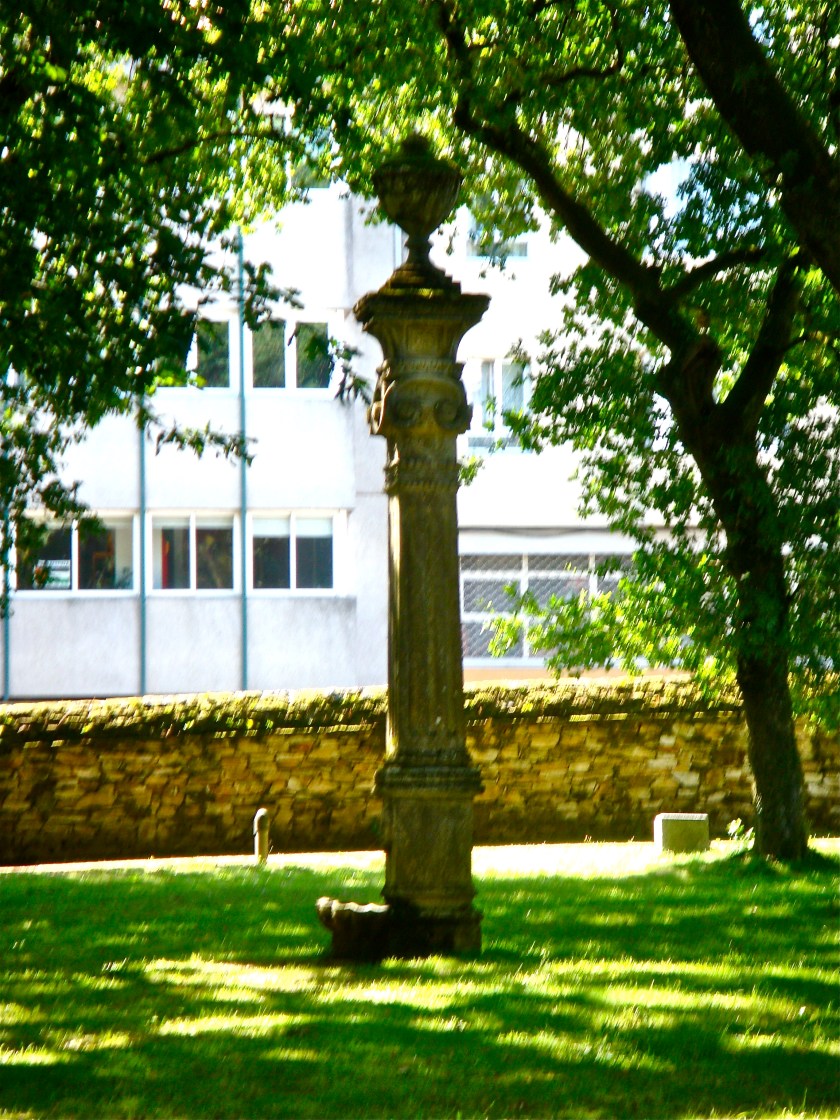
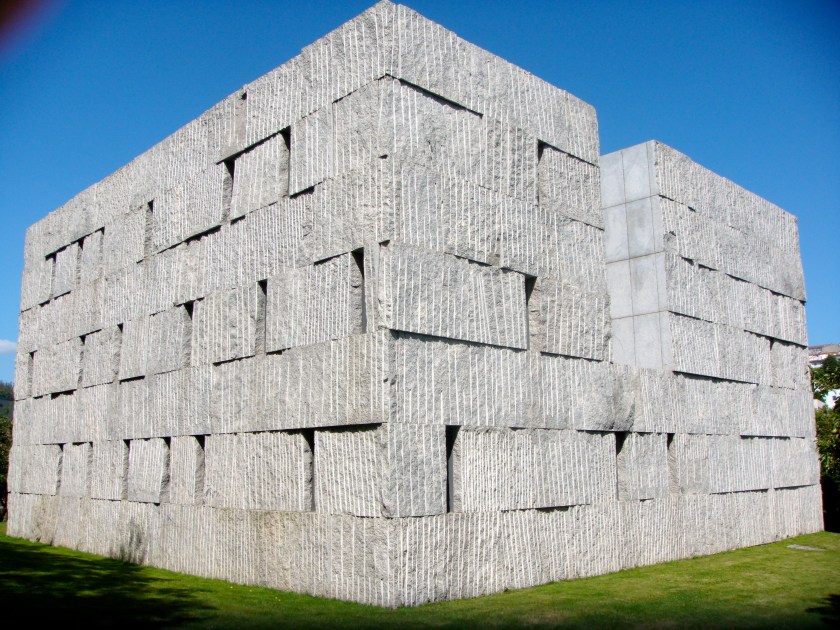
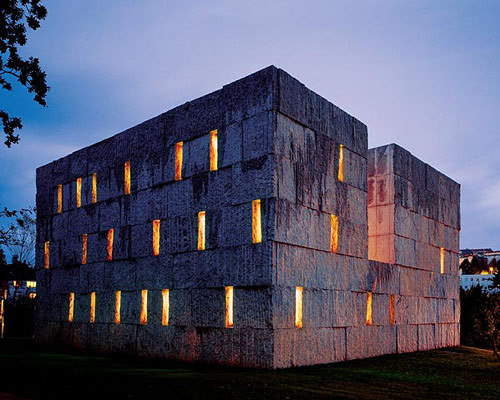
Y en medio de ese juego de sombras nos dimos cuenta, con especial agrado, que este sencillo parque, que volvía a nacer como campo de juegos, regazo para el descanso y oscuro núcleo para el amor, representa el espíritu de Santiago de Compostela: unir pasado y presente; ocupar en un mismo espacio el espacio comprendido entre las vidas humanas, y regalar, sin estridencias ni magnos eventos, algo tan hermoso al viandante ignorante y algo cansado de un día de verano, como es la obra de Antón García-Abril, que se alza en dos imponentes edificios que reflejan las características del diseño arquitectónico que lidera: empleo de granito puro, jugando con las formas únicas y rústicas, aunando gravedad con ligereza, umbrosidad con luminosidad y levedad con contundencia: la sede de la SGAE en Galicia y la Escuela de Altos Estudios Musicales de Galicia.
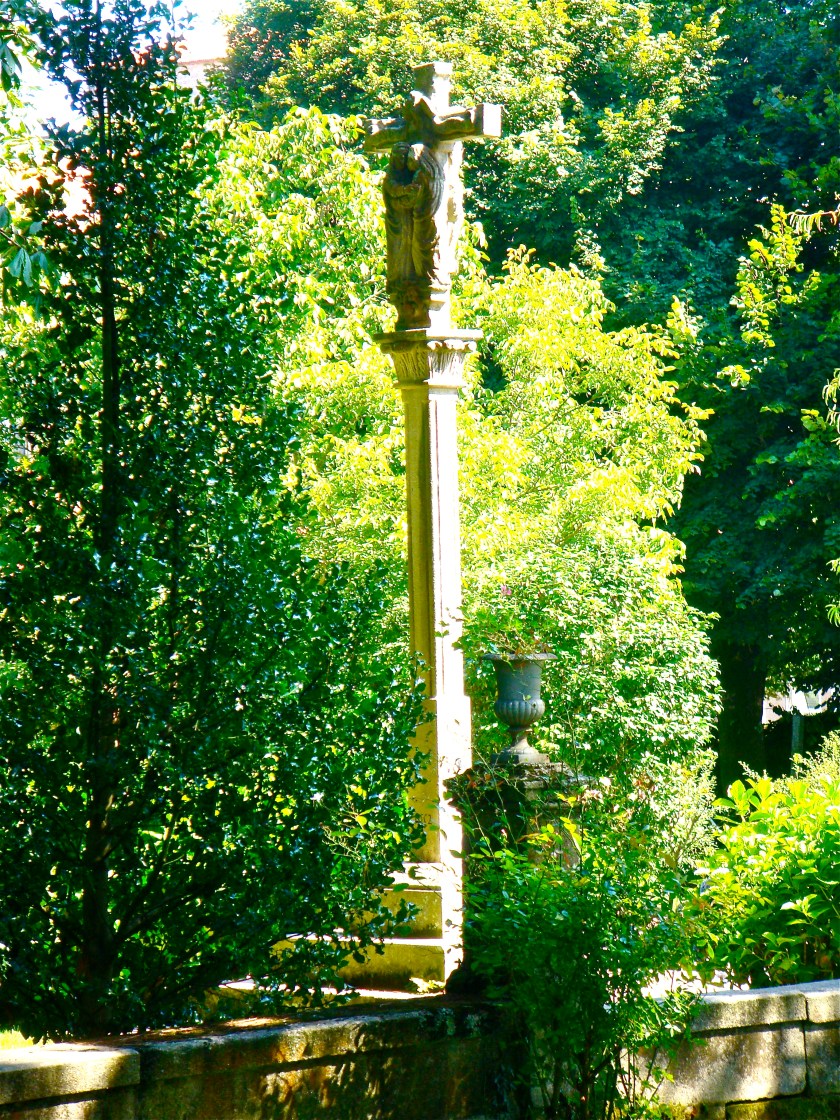
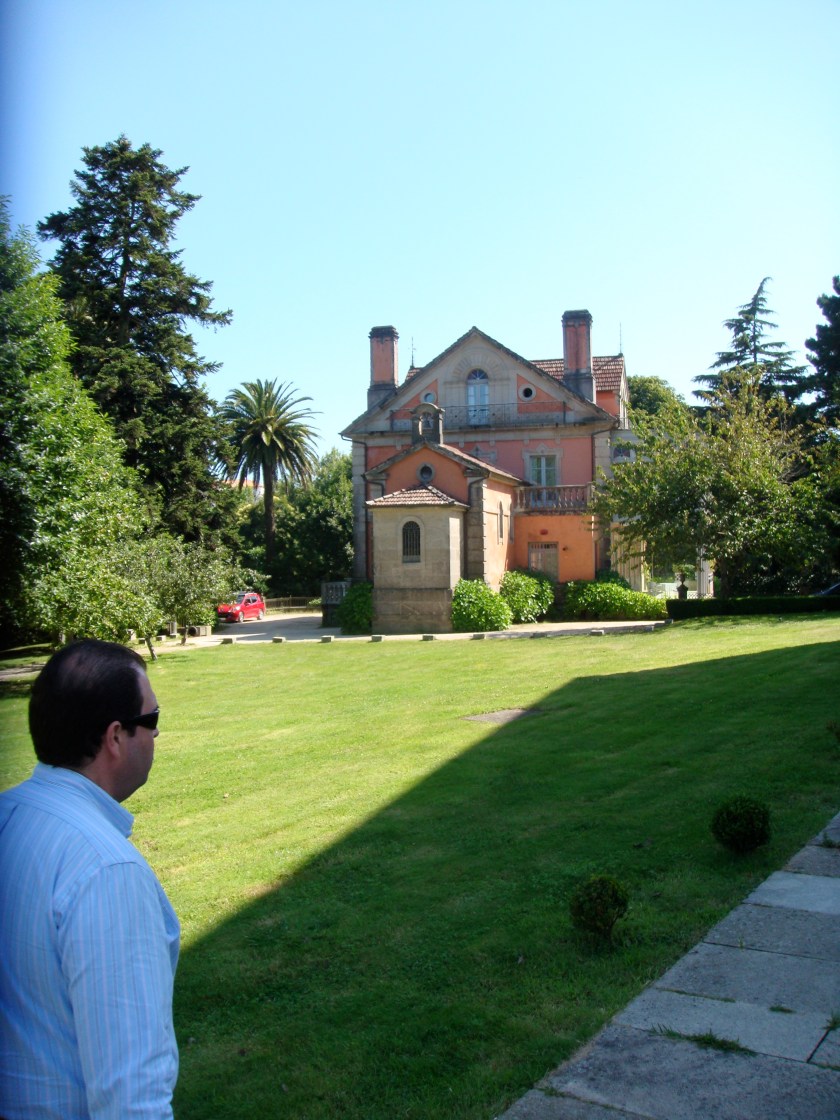
And, in the middle of this play of shadows, we were happy to find a symbol of what this city really meant: the coexistence of Present and Past; the never-ending rainbow of the constant Now, represented in two buildings hidden in the forest of this garden designed by one of the best architectures of Spain: Antón García-Abril, which work portrayed a new old vision in the use of stone, space and gravity… In order of apparence: SGAE Center of Galicia and The School of Grand Musical Studies of Galicia.

Sede de la SGAE en Galicia/ SGAE Center in Galicia.
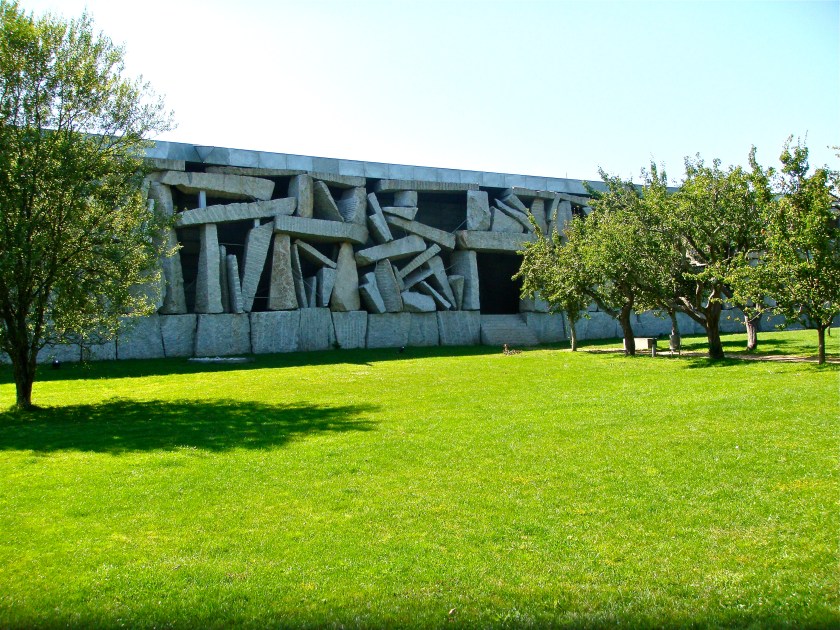
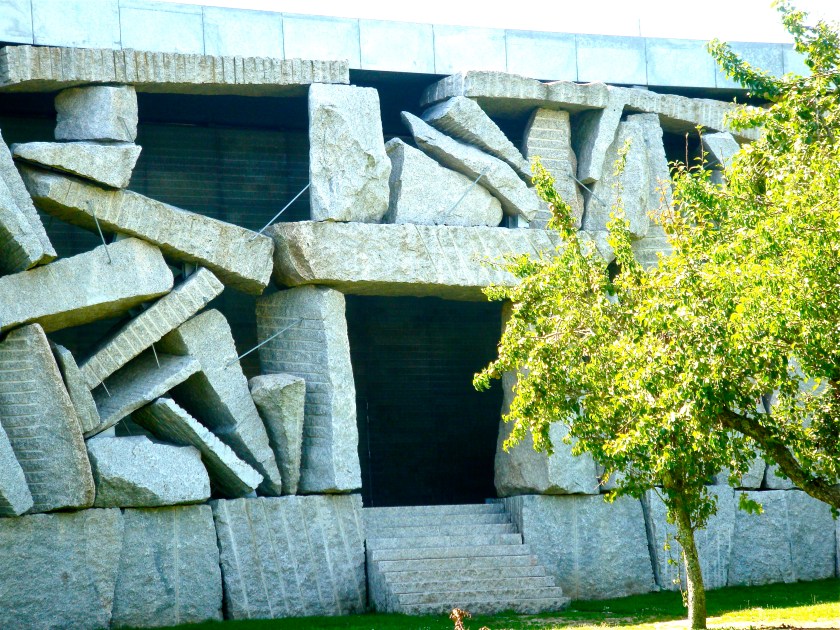

Centro de Altos Estudios Musicales de Galicia/ School of Grand Musical Studies of Galicia.
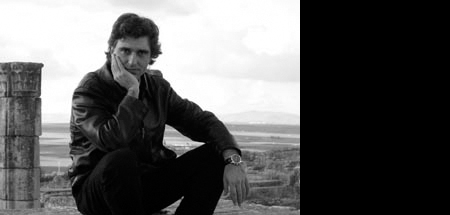
Antón García-Abril, arquitecto/ Antón García-Abril, architect.
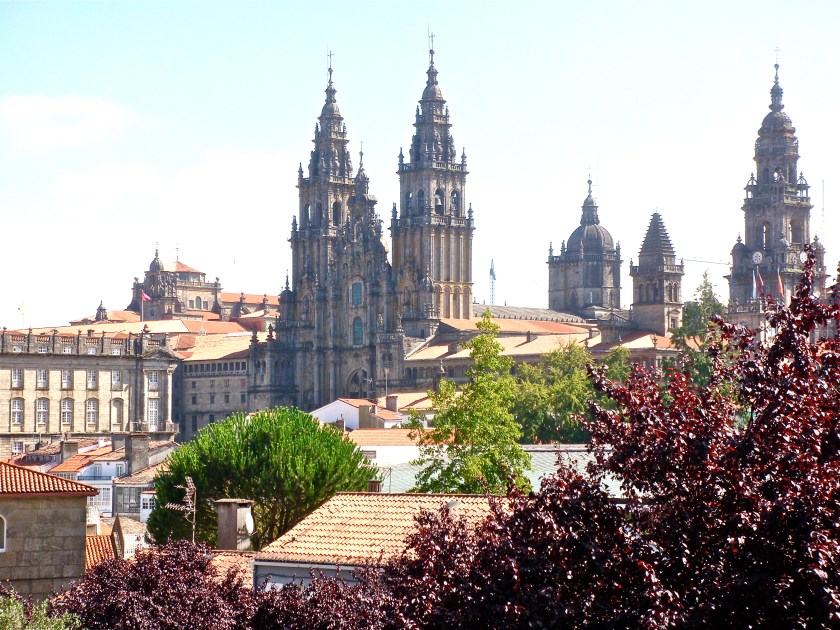
La víspera del Día de Santiago (25 de julio), la noche se viste de luz para recibir las festividades. Cada año es producida por un grupo diferente de maestros pirotécnicos… Y el año que viene, Año Santo, año grande para Santiago de Compostela, será sin duda para disfrutar.
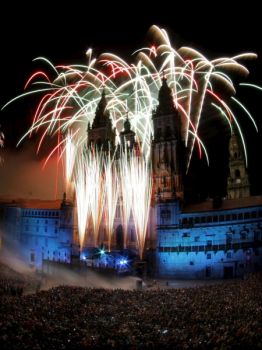

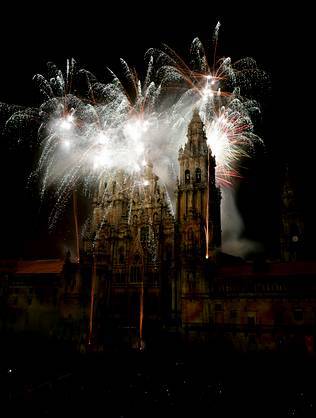
In the night before Saint James Day (July 25th), light comes to life just to show us the way to our own path, our own Camino… Next year, The Holy Year, when this magic night and day goes on a Sunday, the entire world (and we like to think, and we know for sure that it is just not the Catholic people) wants to be here, with us, enjoying the magic of a thrill night like this. The center of our little city, the Cathedral, drags with light, music, feelings, sensations and people, thousands of people, that takes the city’s streets like arteries of this whole body that Earth is and that is described in the entire Camino, or Way of Saint James.



A veces me siento así…/ Many times I feel this way…
Leer ha sido mi pasatiempo favorito; la mejor forma de entrar en mundos únicos, de compartirlos, y de mezclar mis sueños con los sueños ya escritos de esas personas maravillosas que un día sintieron la necesidad de crear, de establecer prioridades, de describir sentimientos y de unir vidas y destinos, jugando a ser dioses.
Desde que me recuerdo, cerca ha habido un libro. Sea uno de cuentos, sea un gran novelón martirizado, una obra teatral o un ensayo, poemas o prosas, con imágenes y sin ellas. Mi vida ha estado rodeada de libros: pequeños, grandes; ilustrados; imposibles; usados; nuevos; abiertos; rayados y vueltos a subrayar; sonreídos y odiados; dejados y vueltos a querer. Toda la vida cabe en los libros, esas fuentes de maravillas, como toda entera cabe en mi cuerpo, que va entrando en una nueva década y aún se pregunta qué hace aquí. Todas las dudas; todos los sueños; todas las perversiones y las antigüedades; las rimas y los versos blancos.
Leer nos sirve de válvula de escape y de aprendizaje; nada hay que alguien no haya pensado antes y que lo exprese mejor que la propia vida; pero el hombre, dentro de su torpeza, es capaz de describirla, imaginarla y moldearla lo mejor que puede dentro de las tapas de un libro.
Recuerdo el primer libro que leí: Memorias de Mamá Blanca, de Teresa de la Parra. Un librillo precioso, lleno de historias hechas para ser contadas con lenguaje sencillo pero profundo, lleno de reminiscencias y de ecos. Y Los Cuentos de Andersen. La edición que aún conservo (llena de preciosas ilustraciones, las mejores de las cuales destrocé al repintarlas) se abría con el cuento El Ruiseñor y terminaba con La Sirenita…Aún tiemblo de emoción sólo de pensar en ellos.
Mi primer gran novelón, como yo los llamo, fue Lo que el viento se llevó. Me pasaba las horas, como muchos sin duda, debajo de mi manta con una linterna, porque no podía despegar mi imaginación de todo lo que le ocurría a esos personajes archifamosos; famosidad que yo ignoraba por aquel entonces, un mozuelo de doce años.
Devoraba Historia, Geografía, Fotografía y Ficción. Y versos, y poemas. Los primeros, de Aquiles Nazoa y de Andrés Eloy Blanco, aquel poeta que clamaba para que un pintor de santos pintase alguna vez tiernos angelitos negros… Y de esa belleza caraqueña pasé a la exhuberancia oceánica de Rubén Darío: Era un aire suave soplaba durante mis paseos al atardecer del Mar Caribe, que me traía con su brisa la risa de Bacarat de la divina Eulalia… Y, también, los versos más profundos de aquel que, nada más ayer, pensaba el verso azul y la canción profana…, porque sin querer se descubría, como yo hoy, con casi cuarenta años, asombrado de lo fugaz y lo fútil del tiempo ido, y de lo inasible de la existencia… Desembarqué, con apenas trece años, en el teatro del Siglo de Oro español, con su riqueza de versos poderosos; me enamoré de rimas antiguas que sonaban intensas y verdes en las pupilas que las leían más de tres siglos después… Garcilaso, Góngora, Lope, Quevedo… Los dramas de Calderón, de Zorrilla y de Hatzenbusch me abrieron las puertas a cantos aún más añejos: Mío Cid, Amadís de Gaula, ciertos pasajes de Homero, algo de Hesíodo; de la sensual deferenecia de Safo, de la perpetua búsqueda de Ovidio; de Catulo y sus locuras juveniles a Anacreonte y su garganta de bacante; del canto de Isaías al libro de David y Jonatán; de la búsqueda de Dios al hallazgo de los nuevos testamentos…
Leer se convirtió para mí en una fuente de saber, de placer y de descubrimiento. Me vi y me pensé por primera vez en ellos. Y fui creciendo demasiado teñido de literatura. Algo casi tan malo como otros que crecen demasiado apegados a los deportes, a la mundanidad o al reclusión… Pero no me arrepiento de ello.
Leer me ha enseñado a ser sensible a la Belleza (y puede que ambos se retroalimenten tal vez); y por lo tanto al Arte y a la Naturaleza. Leer me ha enseñado a descubrir el amor a lo que nos rodea, incluido a los demás seres humanos; la vida no ha hecho más que pulir las distintas aristas que esos golpes de cincel han ido dando a mi personalidad.
Y hoy, casi cuarenta años después, descubro que no sé nada, que tengo mucho que aprender, y mucho de quién hacerlo; que me falta el ardor de antaño, o la concentración y el sueño de conseguir una meta… Pero mientras existan libros que abran nuestra imaginación, mientras existan líneas de tinta reflejadas en el espejo de nuestra existencia… Siempre habrá esperanzas, siempre habrá un mañana. Un mañana que tiende a ser, y que debe estar cada vez más, teñido de hoy.
 To read has been my favorite pastime; the best way to enter to unique worlds, to share them and to mix my dreams with those dreams already dreamt and written by wonderful people that, one day in their existence, felt the need to create, to rule and to share different lives, feelings and destinies, trying to play like little gods to Humankind.
Since I can remember, I always have had a book in my hands. Tales; long lasting novels; plays; essays; poems and proses; with ilustrations or none. My life has been surrounded by books: little ones; big and heavy ones; ilustrated; impossibles; used; all brand new; opened; drawn by me; smiled back or forgotten; neglected ones and loved back again. The entire Life fits in a book, those fountains of marvelous wisdom, as well as Life enters in my body, even though I’m heading to a new decade and I’m still asking what I’m doing here. Every doubt; every dream; every perversion and old fashioned way to be; all white verses or all rhythm rimes.
To read let us a way out to scape of reality but, as well, a way to learn. Nothing exist in Life that someone else had been thought of before and that can express better than Life itself; but Humanity, even dumb, is capable of describe Life, imagined Life and gave it form in its best way only betwen the covers of a book.
I remember the first book I’ve read. It was Memorias de Mamá Blanca, from Teresa de la Parra. A little book so beautiful and tender, filled with stories to be read with simply yet deep prose, repleated of reminiscences and echoes. And The Tales of Hans Christian Andersen. I still have this book, with those beautiful, beautiful ilustrations that I ruined once; and I recall the book started with The Nightingale and ended with The Little Mermaid.…I tremble with emotion just to think aboout of them again.
My first large novel I’ve read with twelve years old. And it was Gone With The Wind…Oh, I inmersed myself in the Northern American South spirit and I was in awe reading all night long in spite of classes that I must had to go and I was incapable to stop reading…
I read anything: History, Geography, Photography and Fiction. And Verses, and Poems. The first ones, by Aquiles Nazoa and by Andrés Eloy Blanco, a poet that claims to a painter to paint little black angels because they were also in heaven like the little blonde ones… And then I navigated through the deep, modernism ocean of Rubén Darío…In my head, I still evocate those first verses about the divine Eulalia and her golden laugh that enchanted princes and beggars…And also I recall those other ones in which a poet looks back to his life to discovered youth went by and a life wasted in roses and champagne, trying to face the new days of his new decade, and the new fronteirs that has to achieve…Just like I am now, in my new decade, all so young but never so young again, asking me why I’m here and what I’ve done, and if what I’ve done was all good enough or not.
With thirteen years old I discovered the Spaniard’s Golden Age authors; and they gave to me, more than three centuries after them, the joy of illusion, the taste for beautiful words and the imaginary and the capability of dream many different dreams in many different ways and with all this flourish diversity. Garcilaso, Góngora, Lope and Quevedo were there for me, as well as Calderón, Zorrilla and Hatzenbusch opened to me the heavy doors of the more antique Literature: Mío Cid, Amadís de Gaula, some passages of Homerus, and something from Hesiodus; from the sensuos Sapho to the constant search of Ovidius; of Catulo and his youthful deliriums to Anacreonte and his deep voice of male mermaids; from Isaiah to David and Jonathan story; from the search of God to the discovery of the New Testament…
To read turned out to be a fountain of wisdom for me; a fountain of pleasures and of discoveries. I saw myself as myself on them. And I was growin up maybe too much painted in Literature, like other kids growing up impregnated in sports, or in reclution or in other darkest recreations… I’m not ashamed of being a wide glasses and smiling geek.
To read seeded in me this sensibility to Beauty (and maybe here we can find some feedback gravity); and, as well, to Art and to Nature. To read helped me to find the Love that surrounded us, even though someone other’s love. Life only polish the vertices that this unique Sculptor was hitting into my personality.
And today, after almost fourty years, I discover that I know nothing about Life, and that I do really have much to learn of it; and from whom I am… But maybe I don’t have now the passion once I did have, or the concentration, or this strange dream to have a goal to achieve… But, while books still exist to open up our imagination; while those ink lines still reflected into the mirrows of our lives… I’ll always have hopes and I’ll know for sure that there still be more mornings to come. Mornings that will stop to reflect the future to recreate, then, the always unstopable Now.