El Muchacho Persa trajo hasta mí una de las tres figuras históricas que la Literatura, el Arte y la Historia han mantenido siempre vivas en mi memoria: Alejandro Magno.
Con un estilo penetrante, de gran profundidad psicológica y de vívida poesía cinematográfica, el libro pasea por la vida de Bagoas, el eromenos de Alejandro, con la intensidad y el colorido y el detalle de un personaje observador, que se precia a sí mismo de estar en la periferia del centro de todo lo que le ocurre al rey macedonio.
Del odio a lo diferente y del miedo a lo desconocido a la adoración suprema, al último amor que sin embargo es siempre el primero, el relato de Bagoas retrata la vida en la Persia de los tiempos de Darío II hasta diluirse en los rescoldos que el huracán de Alejandro dejó tras de sí: un mundo despedazado y transformado en su totalidad; un mundo que, en la Historia, jamás volvería a ser lo que era.
Alejandro parece que tenía ese don: el de la seducción. Y debe ser cierto, pues aún hoy, más de dos milenios después, sigue hechizándonos. El discípulo de Aristóteles; el hijo delicado y recio de un par de advenedizos; el jovenzuelo juguetón, testarudo y orgulloso; el hombre que encuentra el verdadero amor desde la infancia, consiguiendo vivir, entre muchos sueños humanos, esa unión que va más allá de la carne: Alejandro y Hefastión son amigos, amantes, compañeros y, en todo, el mismo personaje; y esa llama incandescente que, de tanto brillar, acaba siendo devorada por sus propias flamas.
Mary Renault (1905-1983), con su prosa decididamente inteligente, con su trazo firme, supo desarrollar la complejidad de unos personajes que escapan a la historia, y remendó, con el mejor de los bordados, uno de los hitos más puros, más manidos y al mismo tiempo más libres de toda la historia, regalándonos un relato alegre, vívido y decididamente romántico de una era cuyas pasiones, aún siendo en el fondo más puras, son en todo parecidas a las nuestras, y con las que nos identificamos desde la primera página hasta la última, dejándonos sedientos de más.

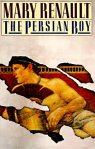
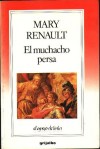
The Persian Boy brought to me one of the three historical figures Literature, Art and History have always maintained cheers in my memory: Alexander the Great.
With penetrating style, great psychological depth and vivid cinematographic poetry, the book takes a walk by the life of Bagoas, the eromenos of Alexander, with the intensity and colorful and the detail of an observant character, who boasts himself to be in the periphery of the center of everything that it happens to the Macedonian King.
From hate to the different, from fear to the stranger until the supreme adoration, the last love that nevertheless is first, the story of Bagoas portrays the life in Persia during Darius II time until being diluted in the embers that the hurricane of Alexander left behind himself: a world broken, transformed into its totality; a world that, in History, will never return to be the way it once was.
Alexander seems had that gift: the one of seduction. And it must be certain, because still today, more than two thousands years later, he continues enchanting us. The disciple of Aristotle; the delicate and strong son of a pair of upstarts; cheerful young boy, stubborn and proud; the man who finds the true love from the childhood, obtaining to live, between many human dreams, the union that goes beyond the flesh: Alexander and Hephaistion are friends, lovers, companions and, in everything, the same man; and that incandescent flame that, of as much shining, finishes being devoured by its own flames.
Mary Renault (1905-1983), with decidedly intelligent prose and firm outline, knew how to develop the complexity of those characters who escape History and mended, with the best embroidery, one of the purest, more rotten landmarks and freest times in all History, giving to us a cheer and vivid and decidedly so romantic story of an era whose passions, being purer, are in all similar to ours today.
 Tiempo de Curar/ Healing Time