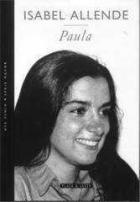
 Hay libros que nacen para ser vividos y hay libros que proceden de la vida. Paula aúna estas dos características y las amplifica. Hay hechos que marcan un antes y un después en nuestras vidas y, en la trayectoria literaria de un escritor, también hay libros que se hacen hitos, palancas e incluso universos enteros que transforman su trabajo para siempre.
Paula es un libro distinto en la carrera de su autora, Isabel Allende. No en su contenido, pues está lleno de la autora, si no en la forma; y no exactamente en la forma, si no en cómo están escritas cada una de sus líneas: una historia dentro de una historia, y miles de historias pequeñas resumidas en un punto álgido, en un eje central, que es Paula.
Paula es la hija de Isabel Allende, pero también su punto de partida y su puerto; su totalidad y su nadir. Desde la primavera de su vida hasta el ocaso de su muerte, el libro navega ese mar insomne que es el dolor y nos presenta desnuda de toda fantasía (o llena de esa fantasía de los hechos reales) a una madre, una vida en común y un cabo que se suelta o, mejor, que se transmuta, traspasando esa frontera natural que es la carne.
Es un libro todo corazón procedente de una mujer toda sentimiento, y leyendo sus hojas y palpando su espíritu intuimos, y finalmente sabemos que su final, su última línea, su última palabra, marca el fin de una mujer que hasta esa fecha había sido una cosa y se da cuenta que ahora no es ella misma, y por eso mismo calla.
No hay tortura mayor para un escritor que no escribir, parafraseando a Marguerite Yourcenar. Tras Paula, Isabel Allende tuvo que encontrar de nuevo una voz, porque su voz quedó apagada en el momento en que se cerraron para siempre los ojos de su hija. Hay un antes y un después en la vida privada de la autora, pero también en su vida profesional.
Paula es un hito de ternura, de sentimiento sobrehumano, de puro amor.
Y demuestra que no hay mayor imaginación, mayor amor ni mejores personajes para reencarnarlos, que la vida misma.
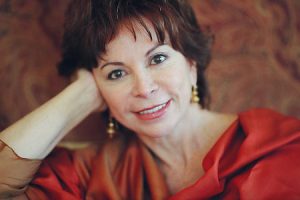 Some books are born to be lived and some of them come from life. Paula combines these two characteristics and expands them. Some facts mark our life so deep that never will dilute from our skin and, in the literary path of a writer, also exists books that become lever, landmarks and even a whole new universes, that transform their work forever.
Paula is so different from others Isabel Allende’s books. But just only in the suface, because all of it is fulled with the author spirit. Every word, every line, every page contains her universe of stories inside stories, but here it goes beyond that and shows us these thousands little stories that summarized in this algid point, this central axis that is Paula.
Paula is Isabel Allende’s daughter, but she is also her departure point and her harbor, her shore. From the spring of life until the dawn of death, the book flows sailing the ever sleepless sea that pain is and show us the naked truth of a mother, of a shared life together and of a loosen stub that goes beyond flesh to incarnate the unbeliavable, the nothing.
It’s a heartfull book coming from a woman that is all emotion. And, reading its pages and sensing its spirit, we can visualize that its end mark the end of the author herself as she ever knew her life, and that this strange discovery leads her to lose her characteristic voice, remaining in silence since then.
There is no greater torture for a writer than non write, paraphrasing to Marguerite Yourcenar. After Paula, Isabel Allende needed to find her own voice again, because that voice turned off the day her daugther closed her eyes forever. There is a landmark on the private life of the author, a landmark that also afected her profesional life as well.
Paula is filled with tenderness, it’s fulled with never ending love. And it shows us that there is no better imagination than life itself.
 Tiempo de Curar/ Healing Time
Un comentario en “Paula”